Systemic Transformation Now and Forever: Reflections from the 3rd Nyéléni Global Forum
In September 2025, more than 700 delegates from over 100 countries and Indigenous territories gathered in Kandy, Sri Lanka, for the 3rd Nyéléni Global Forum. Convened under the theme “Systemic Transformation Now and Forever!”, the forum brought together food producers, land defenders, Indigenous Peoples, feminists, workers, migrants, and grassroots organizers united by a shared commitment to food sovereignty and global justice.
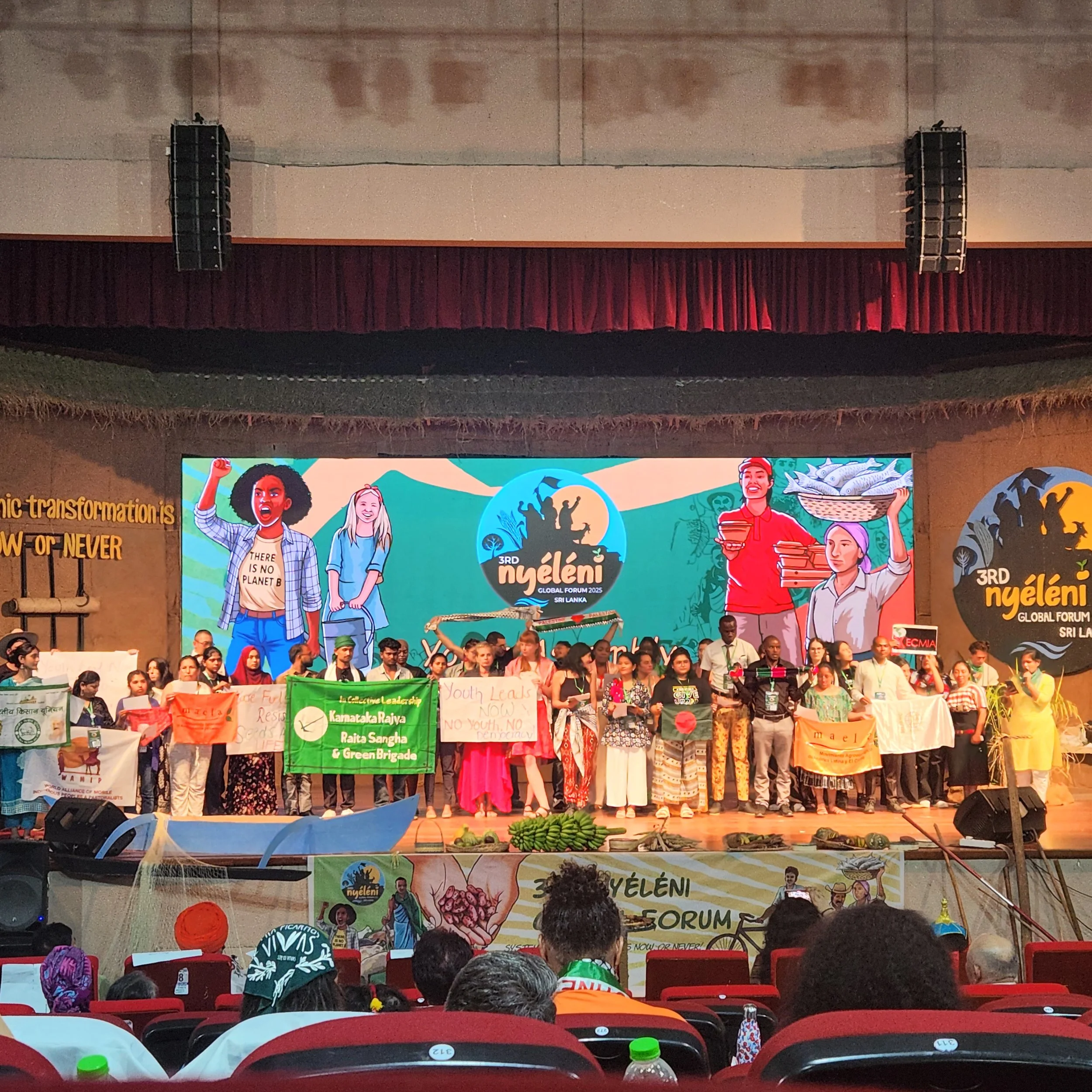
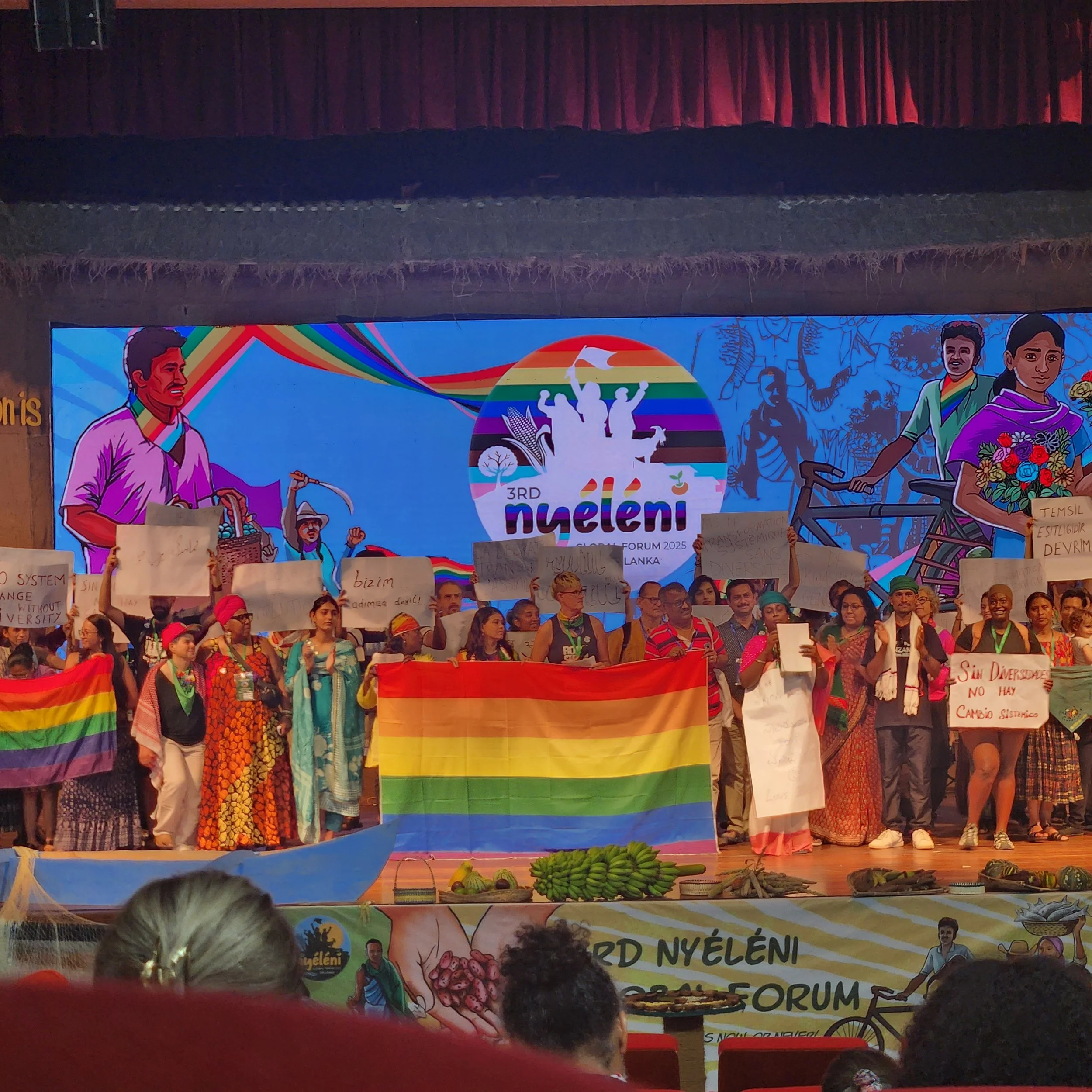
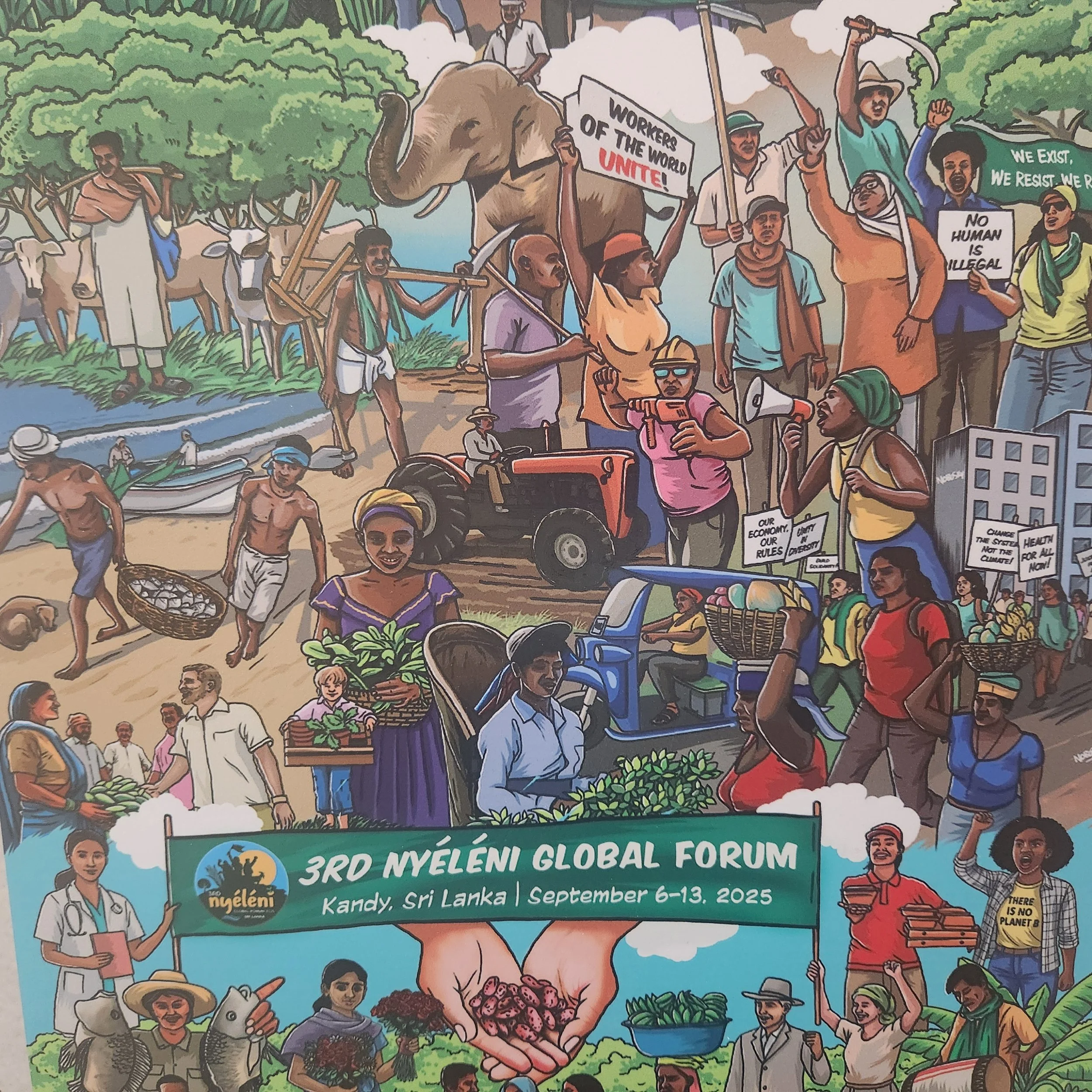
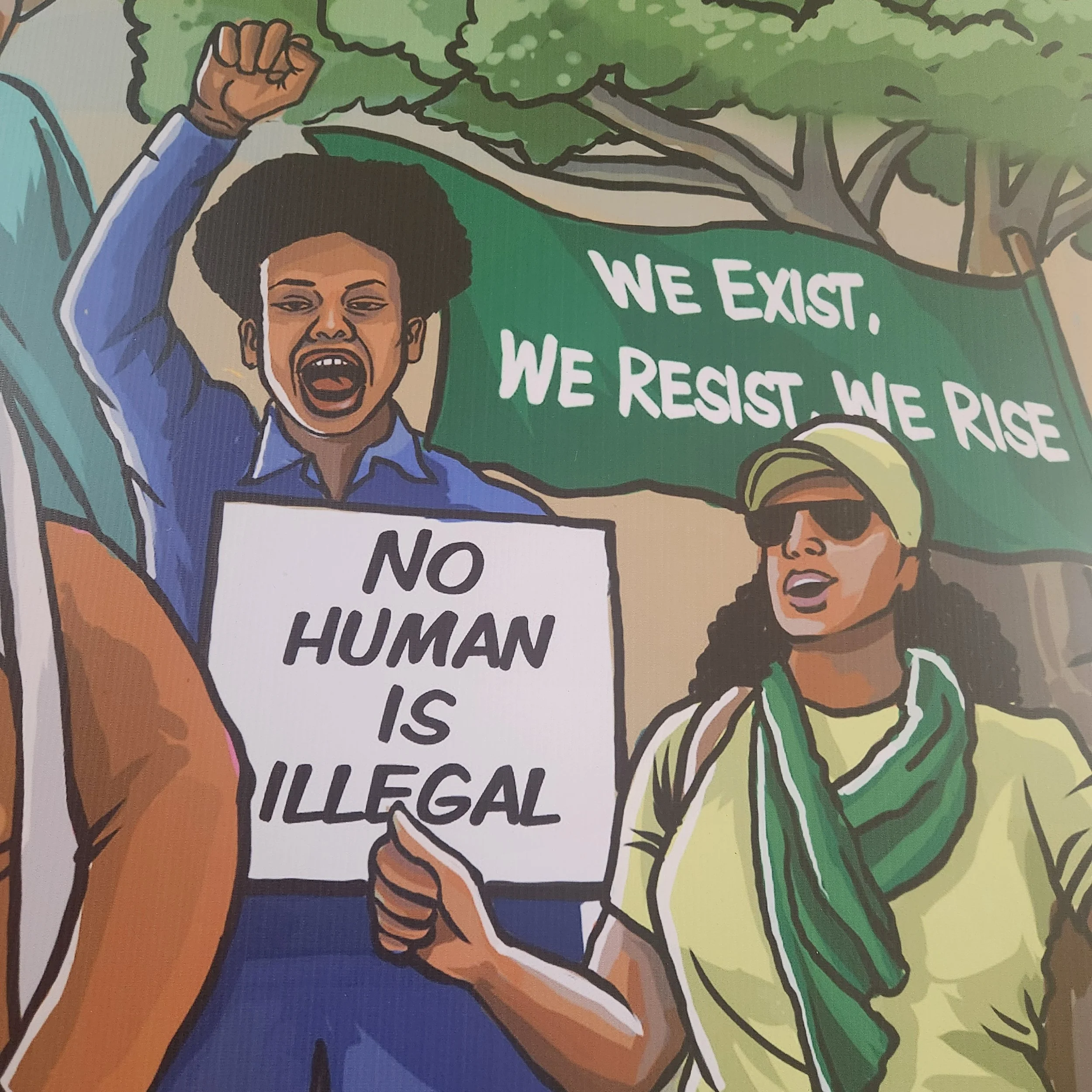
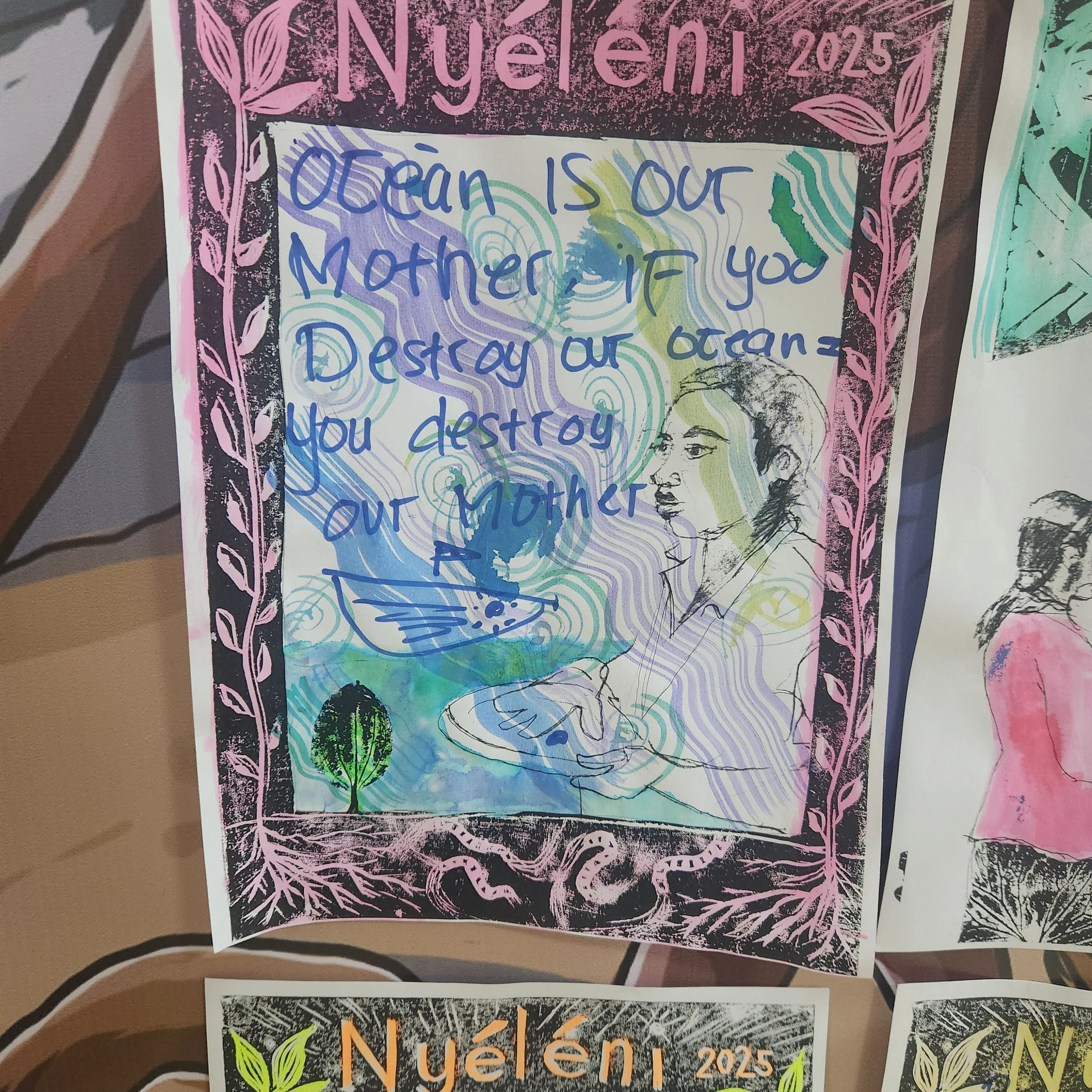
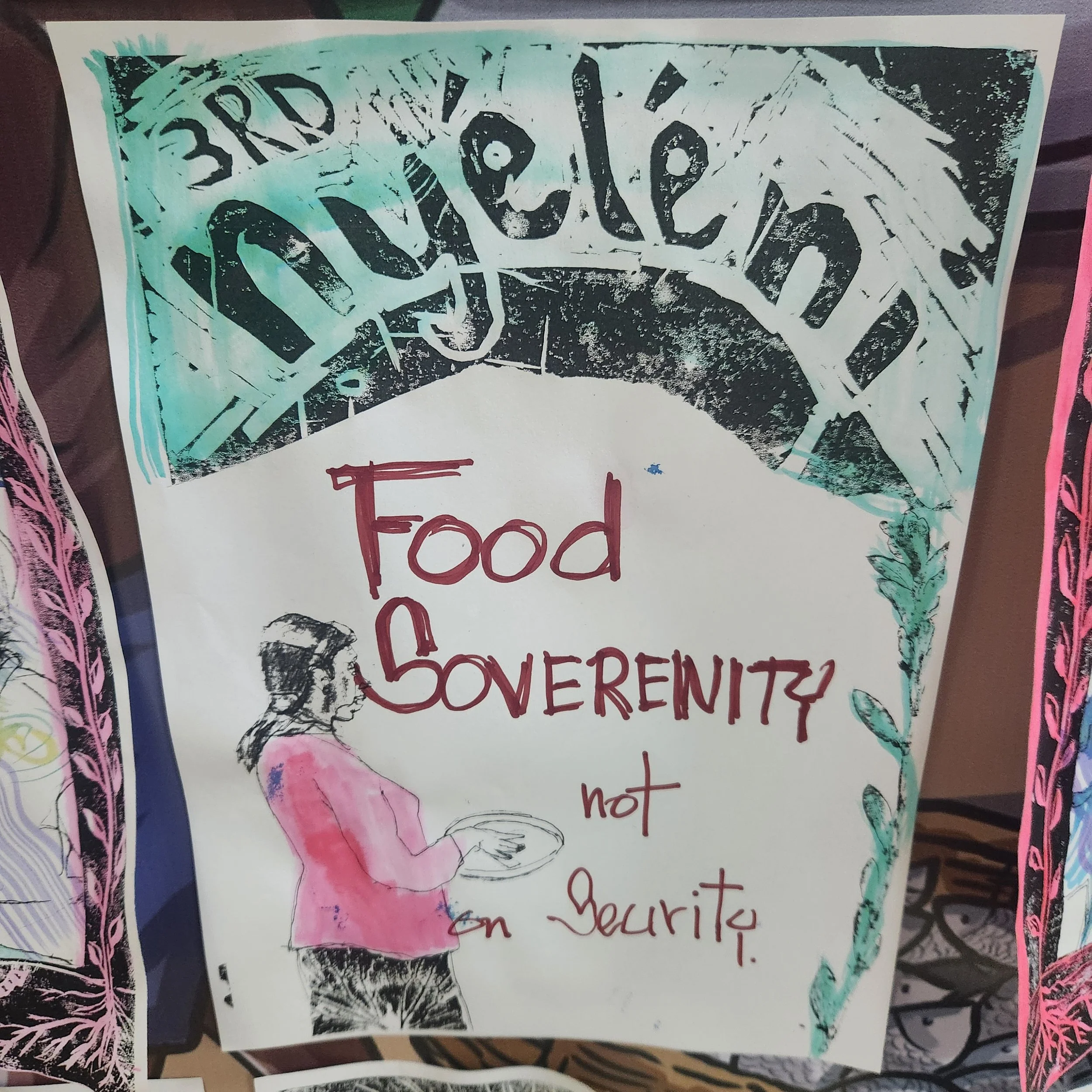
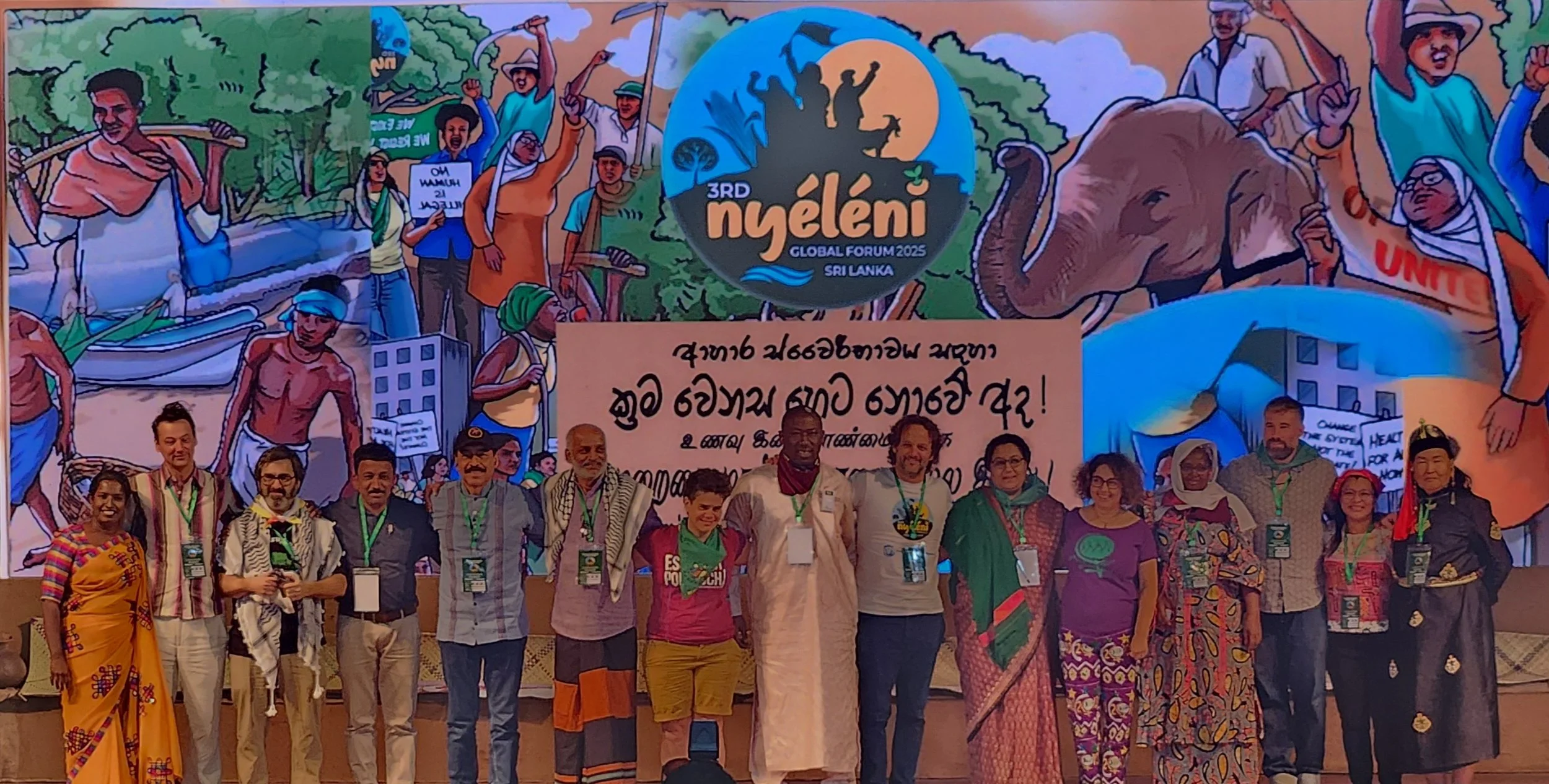
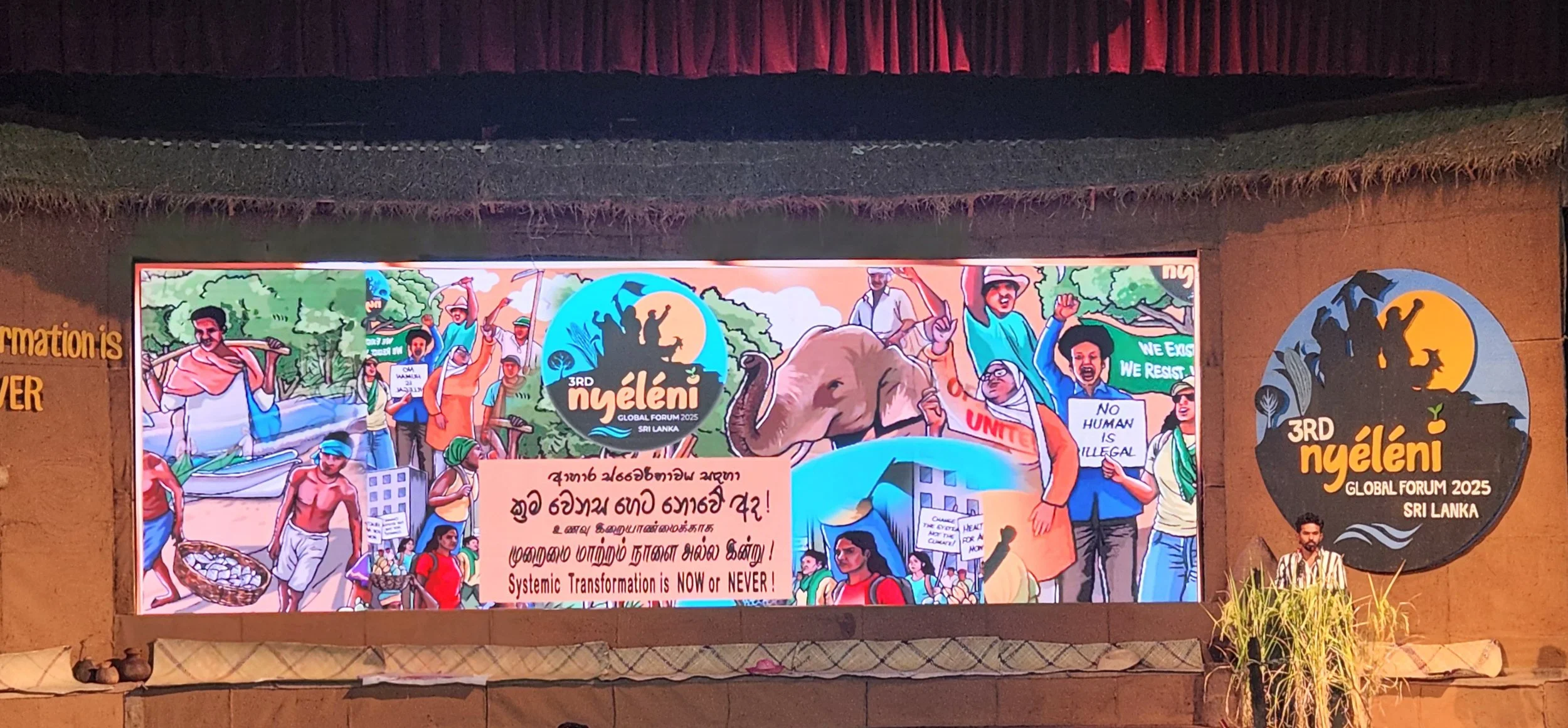
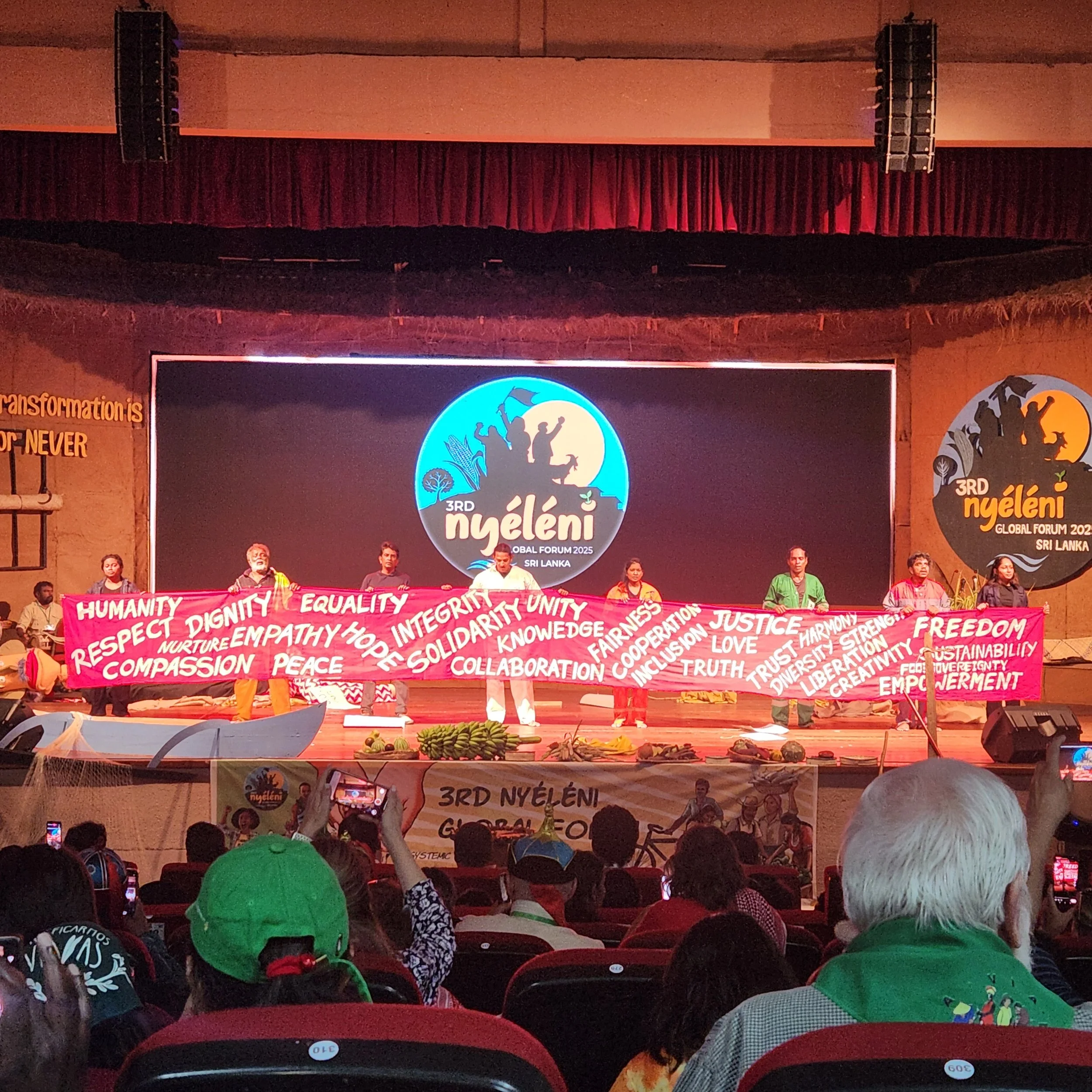
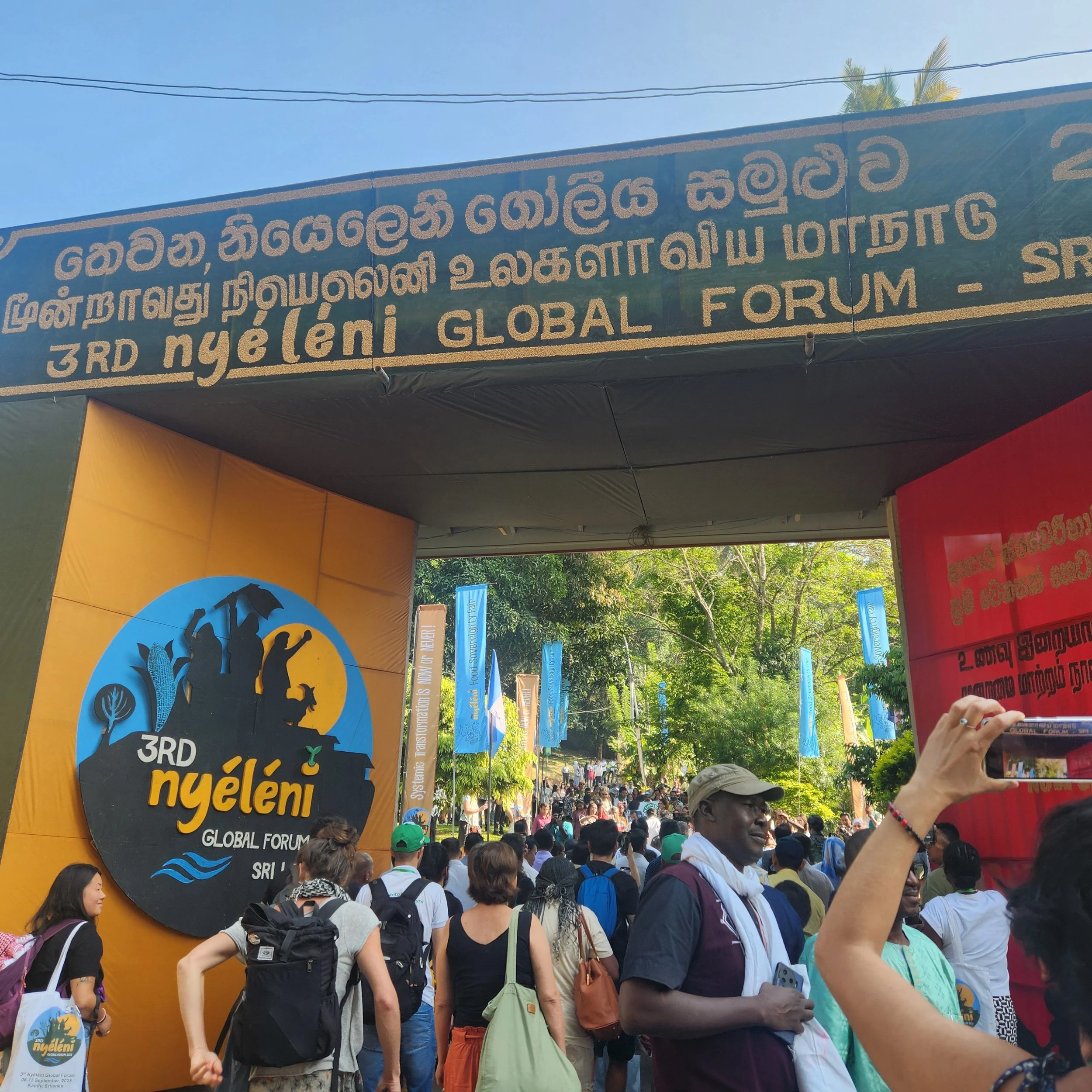
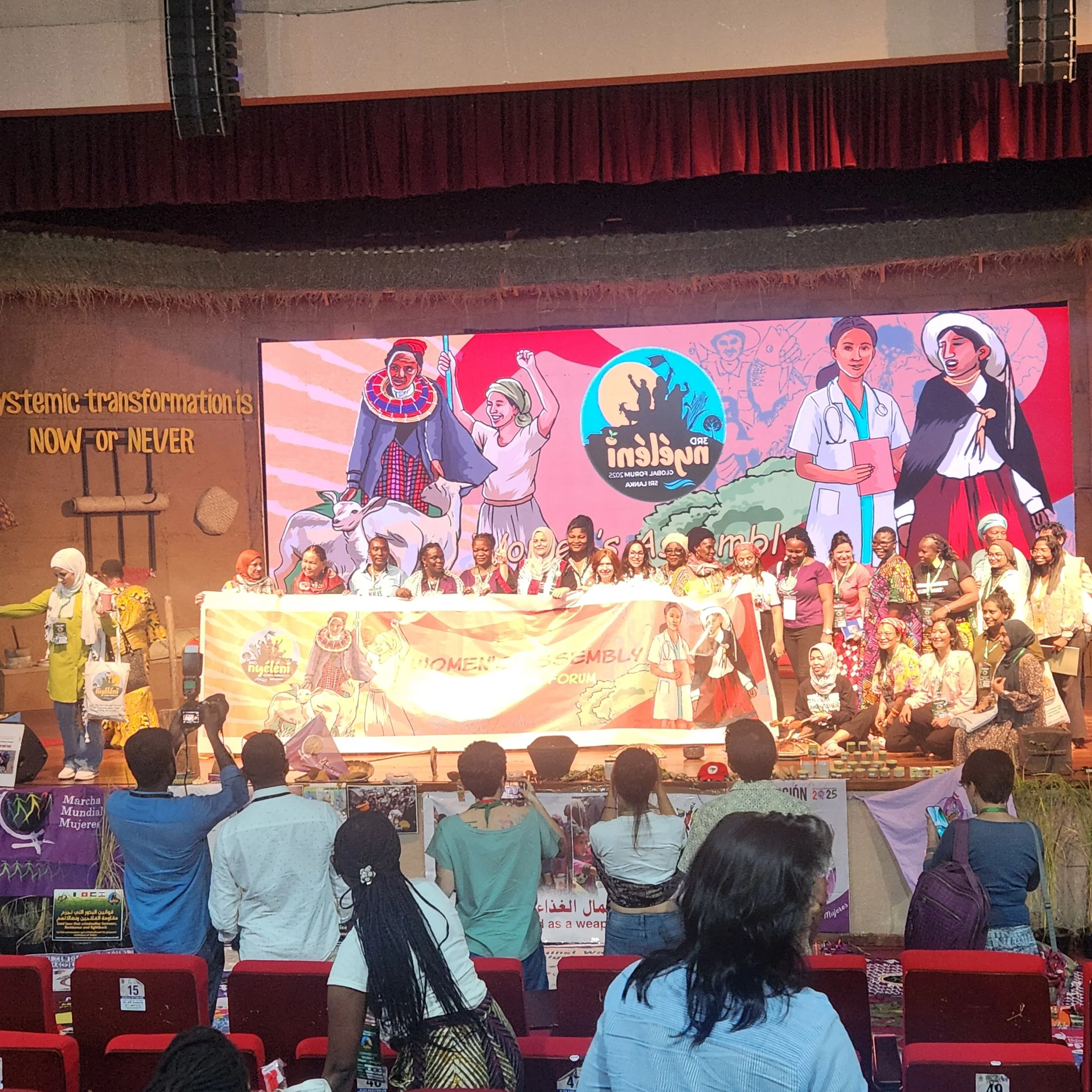
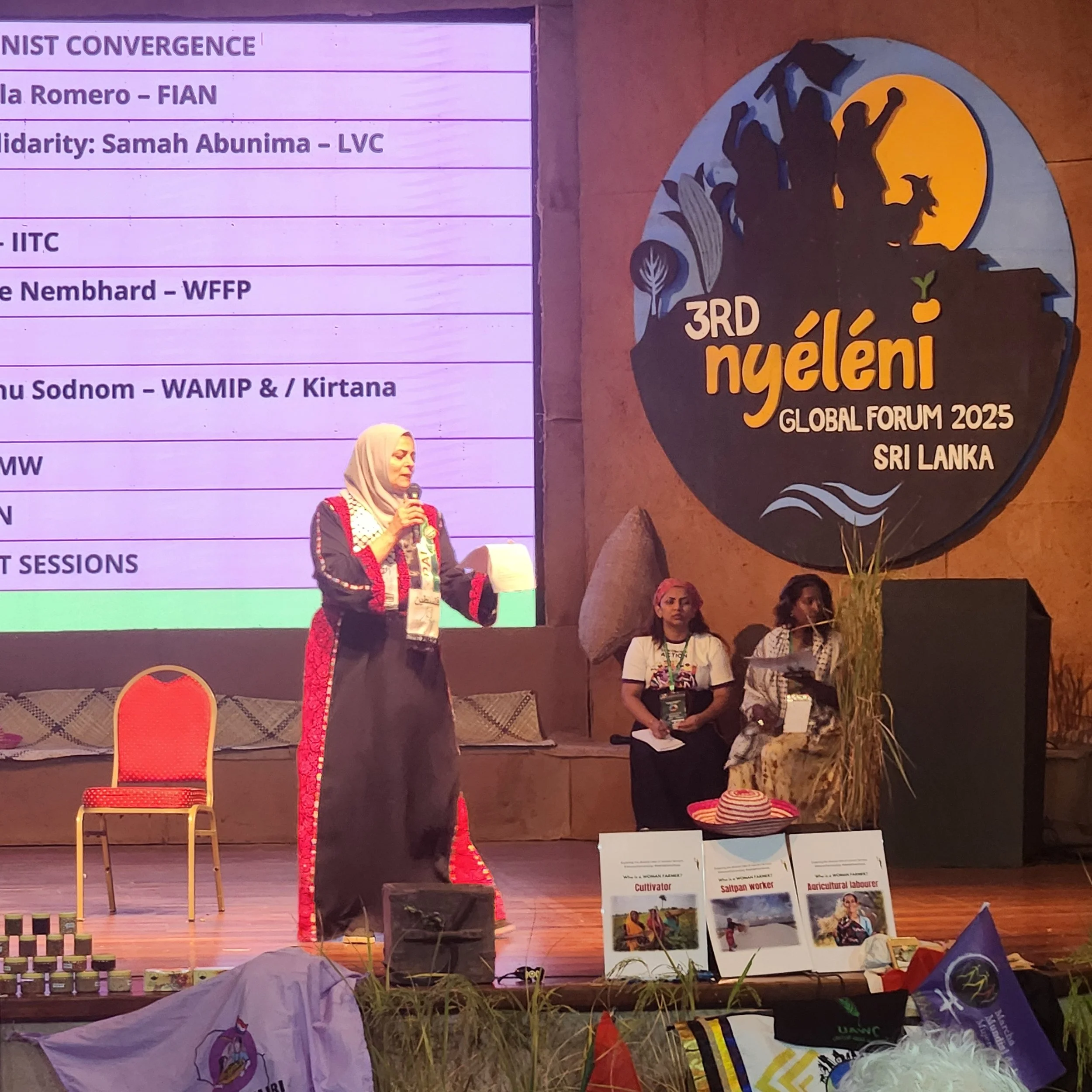
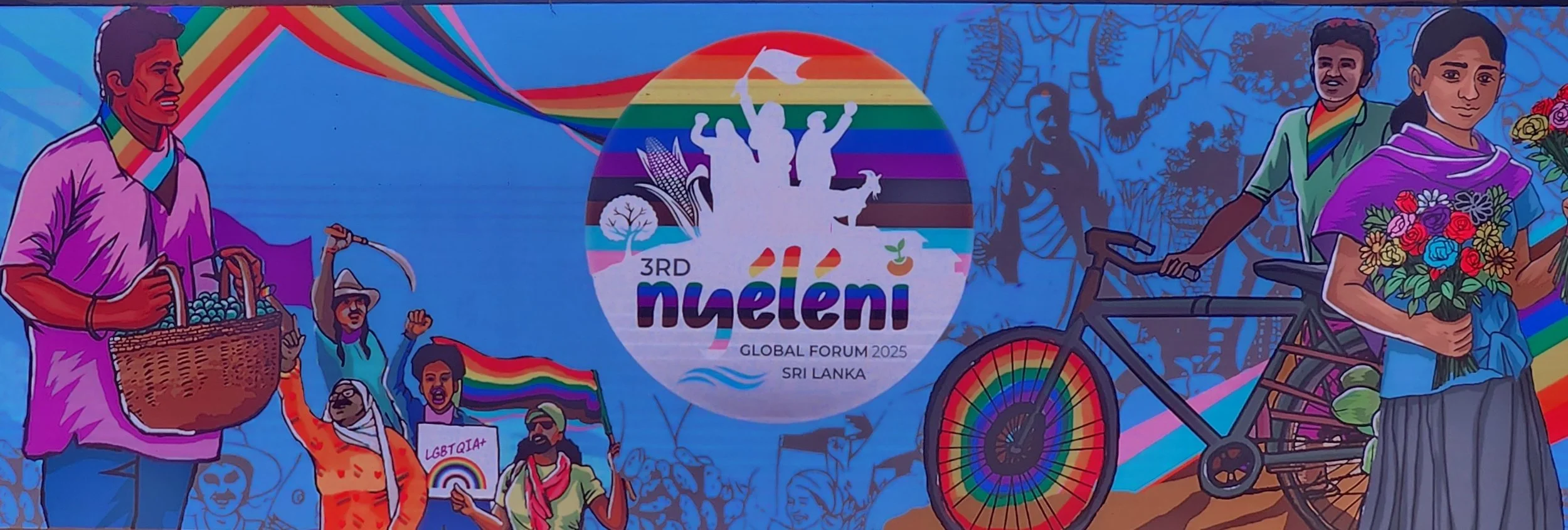
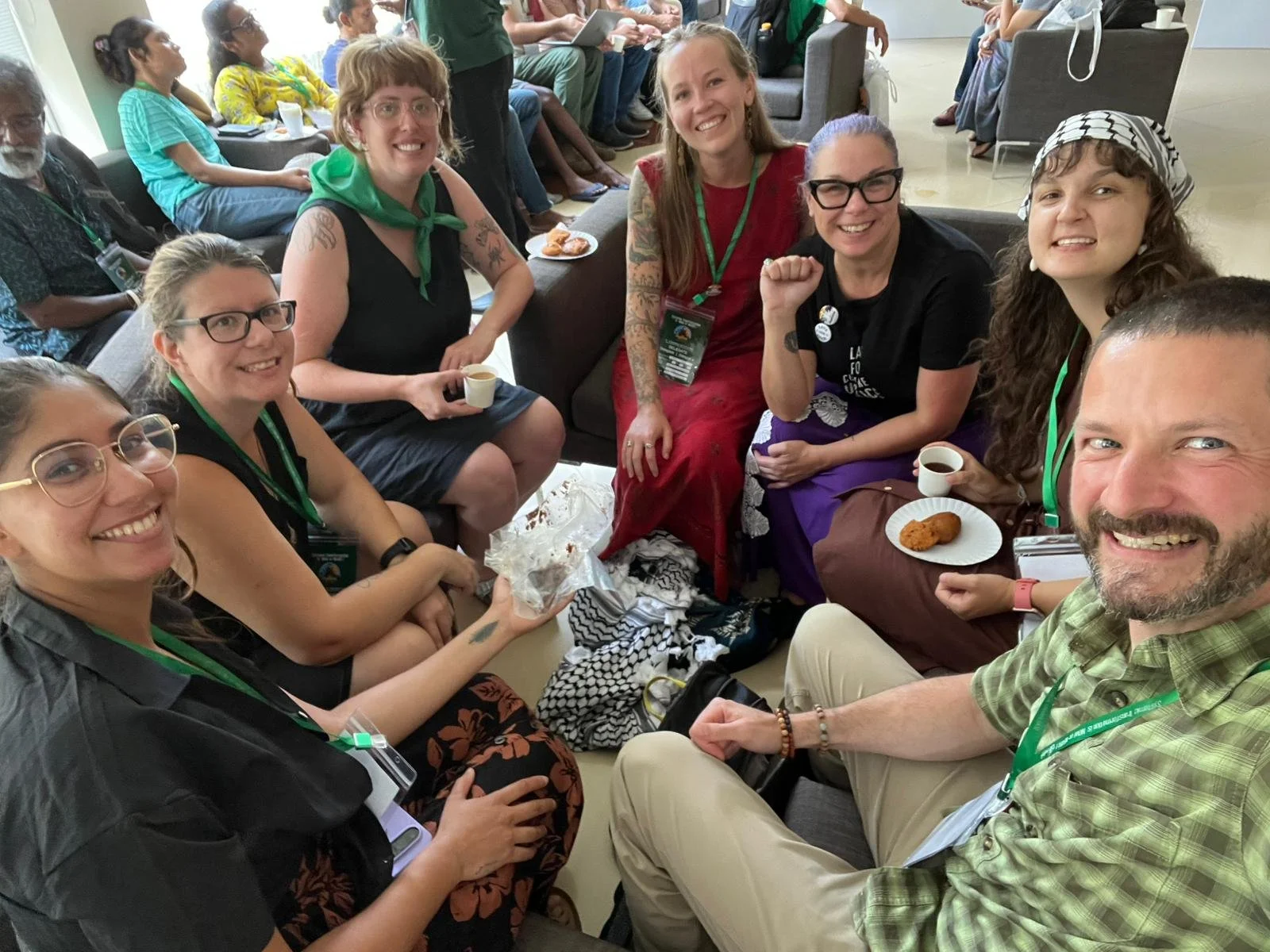
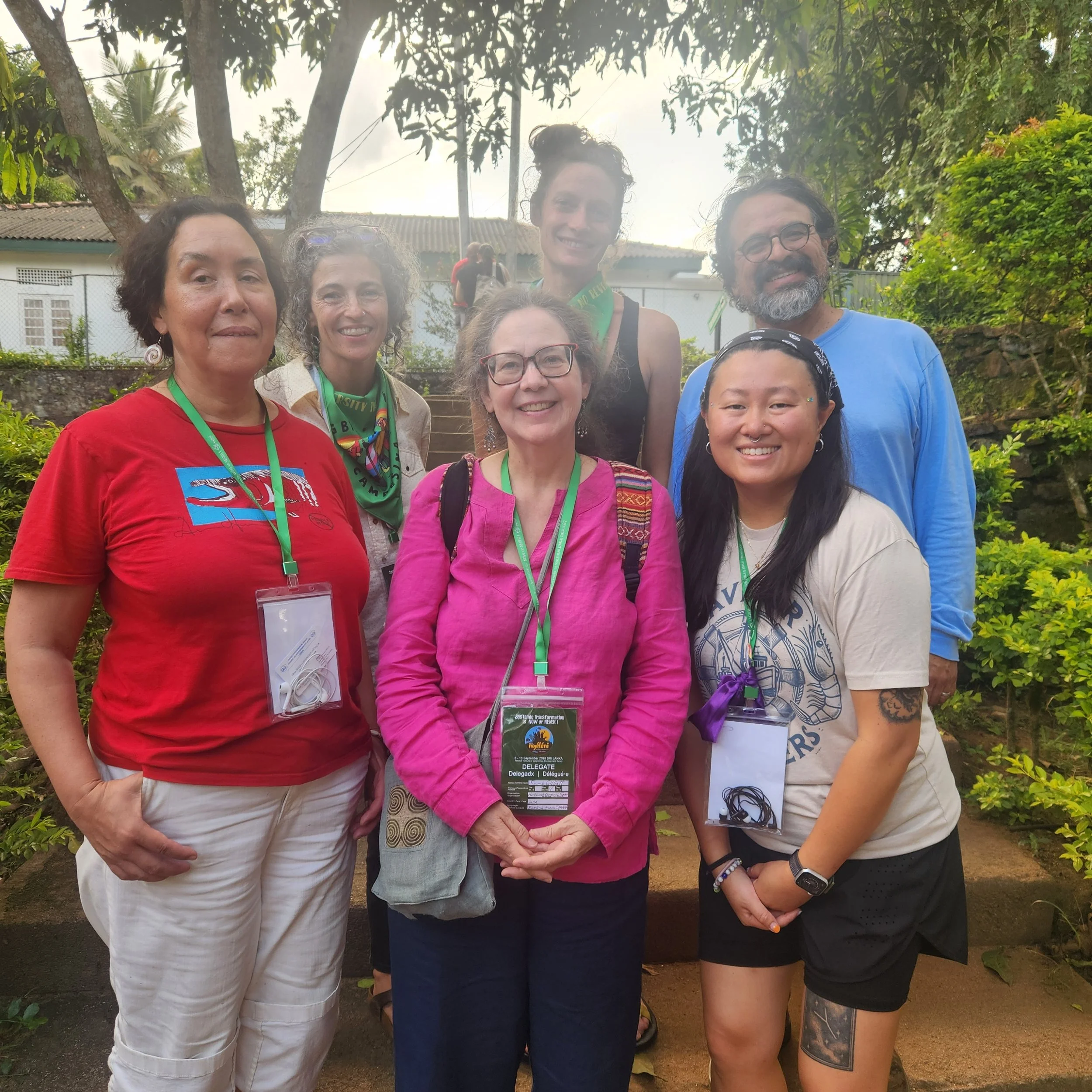
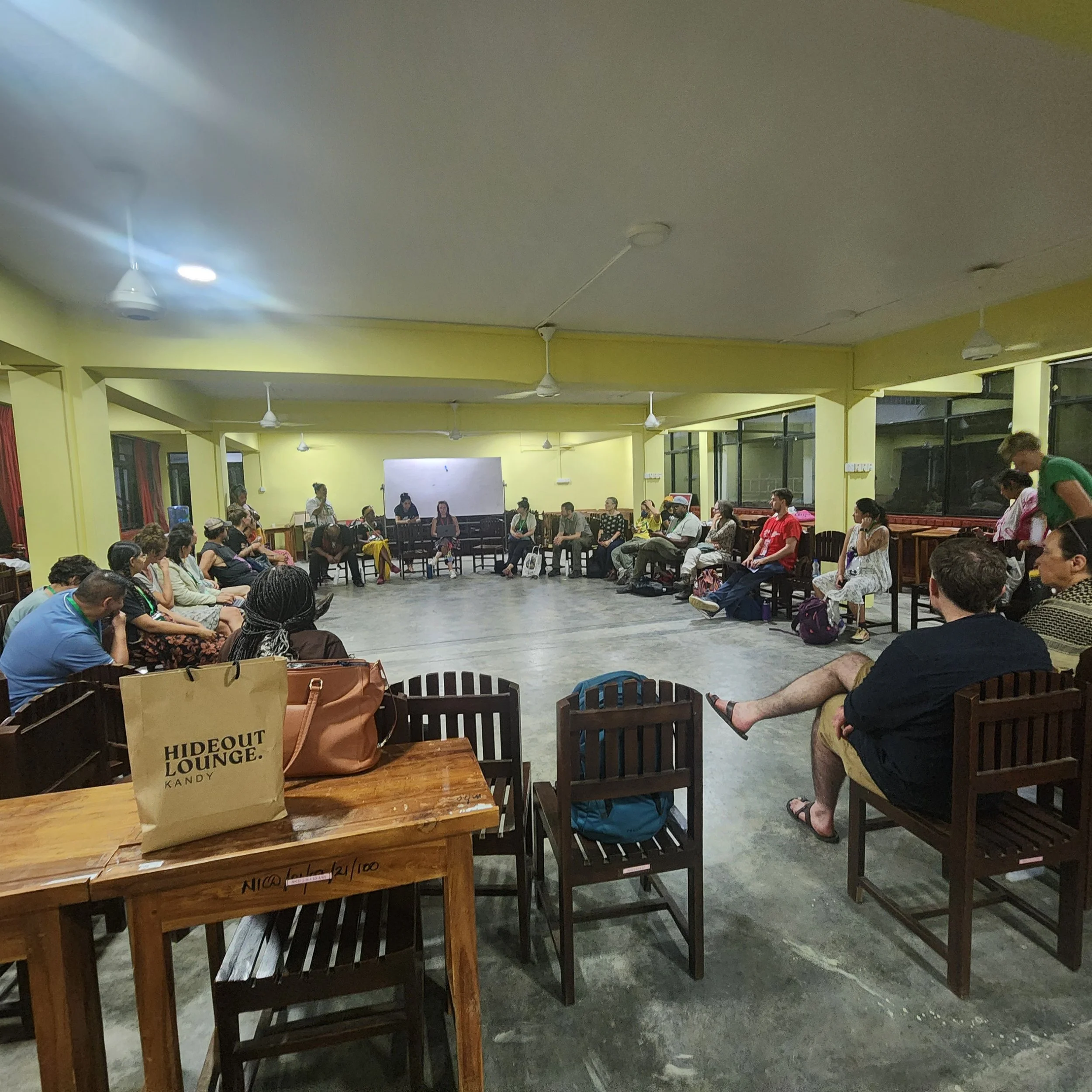
Nyéléni is a global movement rooted in the leadership of those most impacted by extractive, colonial, and capitalist food systems. Named after a legendary Malian peasant farmer, the Nyéléni movement advances a vision of food systems grounded in dignity, care, ecological sustainability, and the collective right of peoples to define their own food futures.
From the opening ceremony onward, the forum was shaped by a powerful sense of collective purpose. Through song, ceremony, and storytelling, participants named food not only as sustenance, but as a site of struggle — one deeply entangled with histories of colonialism, patriarchy, racial capitalism, and war. At the same time, these moments affirmed food sovereignty as a feminist and anti-colonial project, with women, Indigenous Peoples, and frontline communities at its center.
Converging Movements for Systemic Change
A central focus of Nyéléni 2025 was convergence — strengthening alignment between food sovereignty movements and broader struggles for democracy, climate justice, peace, health, and economic transformation. In the lead-up to the forum, regional and global consultations identified five priority areas to guide this convergence:
Democracy, peace, and international solidarity
People’s health
Climate justice and energy sovereignty
People-centred economies
Land, territory, and agrarian reform
These conversations culminated in the development of a Common Political Action Agenda (CPAA), which confronts the root causes of hunger and inequality: corporate concentration, democratic erosion, new forms of colonialism, extractivism, and climate collapse. Rather than treating food insecurity as a technical or charitable issue, the CPAA situates food sovereignty within a broader struggle to reclaim collective power and dismantle systems of oppression.
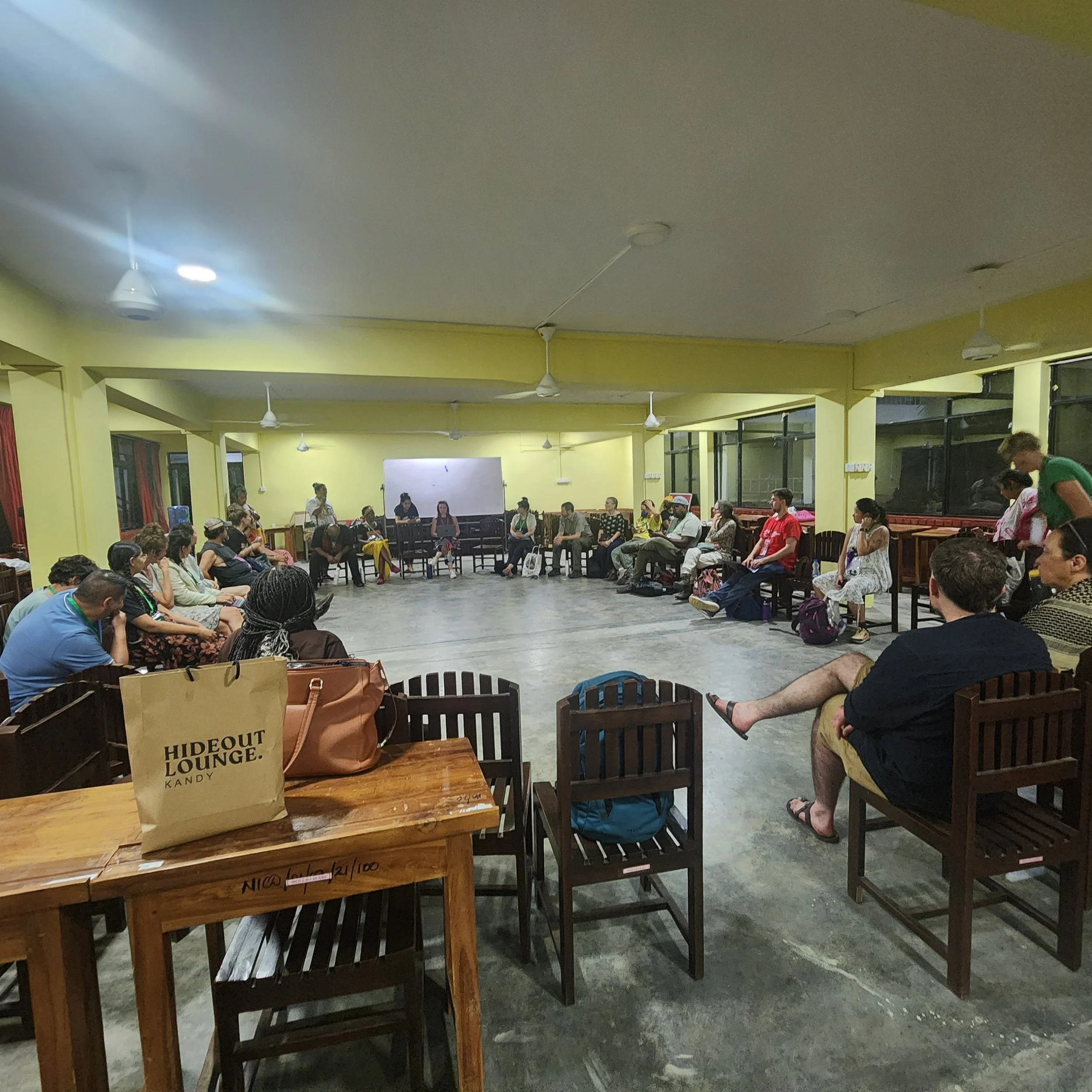
Throughout the forum, participants engaged in assemblies, working groups, cultural events, and exchanges with grassroots movements from around the world. These spaces reinforced a shared understanding: there can be no just food system without justice across land, labour, gender, race, and ecology.
Solidarity, Tensions, and Movement Maturity
Bringing together such a vast and diverse global movement is not without challenge. Nyéléni surfaced real tensions — across regions, identities, political contexts, and lived experiences. Questions of power, representation, accessibility, and inclusion were present throughout the forum, reflecting the broader realities facing social movements today.
While these tensions were difficult, they also underscored the maturity of the movement. Naming harm, addressing exclusion, and holding space for accountability are not signs of failure, but of a living movement grappling honestly with its responsibilities. The forum reaffirmed that food sovereignty must be practiced not only in policy demands, but in how movements relate to one another, center care, and protect those most marginalized.
The Kandy Declaration: A Collective Roadmap Forward
The most significant outcome of the 3rd Nyéléni Global Forum is the Kandy Declaration, launched on November 15, 2025, at the People’s Summit alongside UNFCCC COP 30 in Belém, Brazil.
Grounded in the CPAA and shaped by the voices of movements across the globe, the Declaration is both a warning and a call to action. It names the urgency of the current moment — escalating climate breakdown, deepening inequality, militarization, and the continued weaponization of food — while affirming that another path is not only possible, but already being built.
At its core, the Kandy Declaration commits movements to:
Defend food as a fundamental human right
Advance agroecology, land sovereignty, and climate justice
Resist corporate capture and extractive economic systems
Strengthen feminist, Indigenous-led, and community-rooted alternatives
Build lasting international solidarity across movements and territories
The Declaration does not offer quick fixes. Instead, it provides a shared political horizon — a collective roadmap for systemic transformation rooted in lived resistance, historical memory, and the knowledge of those who feed their communities every day.
Why Nyéléni Matters
In a world where food systems are increasingly shaped by profit, crisis, and control, Nyéléni offers something radically different: a vision of food as relationship, responsibility, and collective power. The 3rd Global Forum reaffirmed that food sovereignty is not a niche issue — it is inseparable from struggles for peace, climate stability, democracy, and human dignity.
As movements carry the Kandy Declaration forward, the challenge now is translation and momentum: grounding its commitments in local action, policy change, and sustained organizing across regions. The work ahead is immense — but so is the strength of the global movement that gathered in Kandy.
Systemic transformation is no longer a distant aspiration.
As Nyéléni reminds us, it is now — or never.
African delegation opening one of the days with song and dance.