
Food as Memory: Celebrating Black History and Culinary Roots
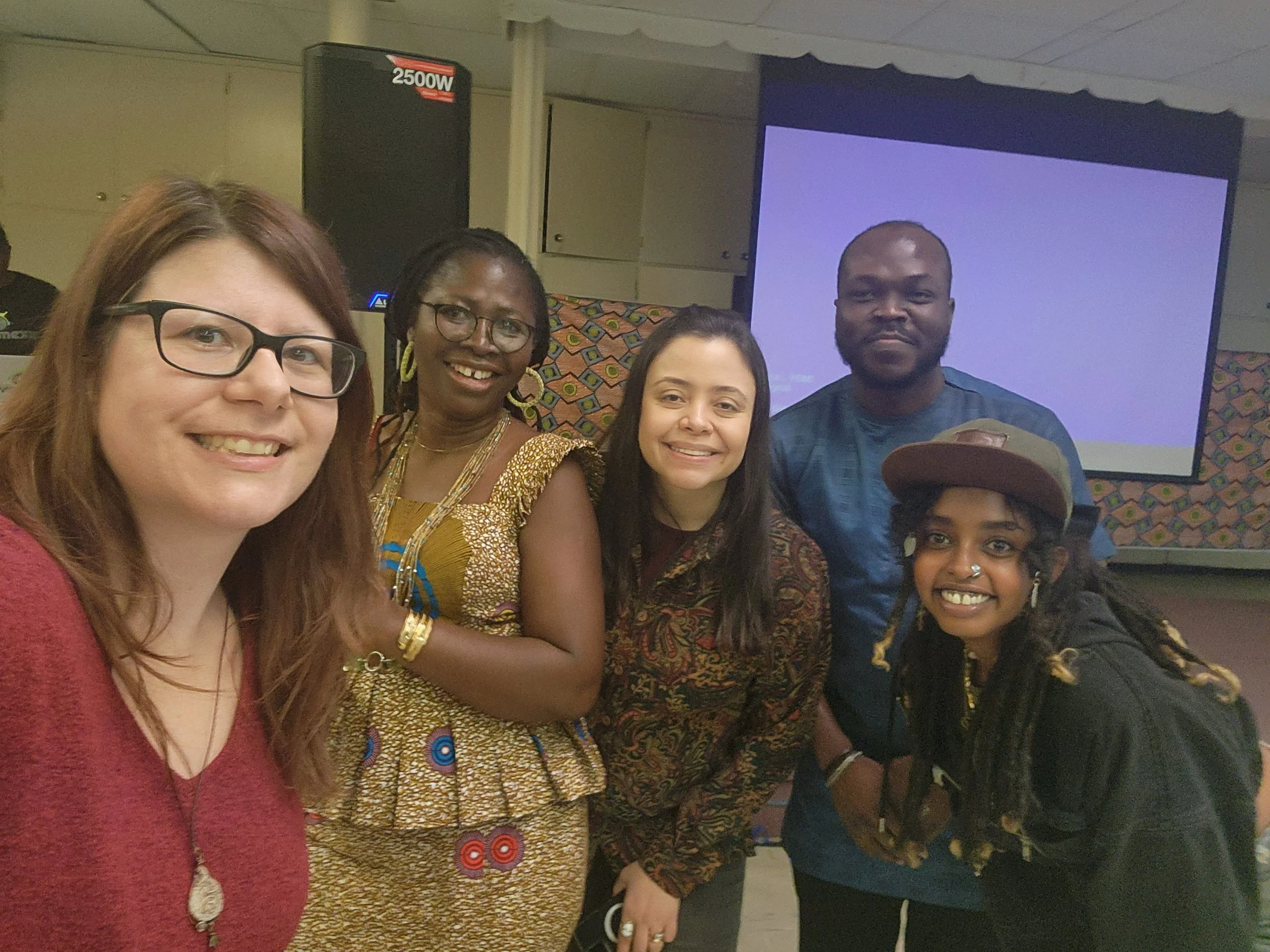
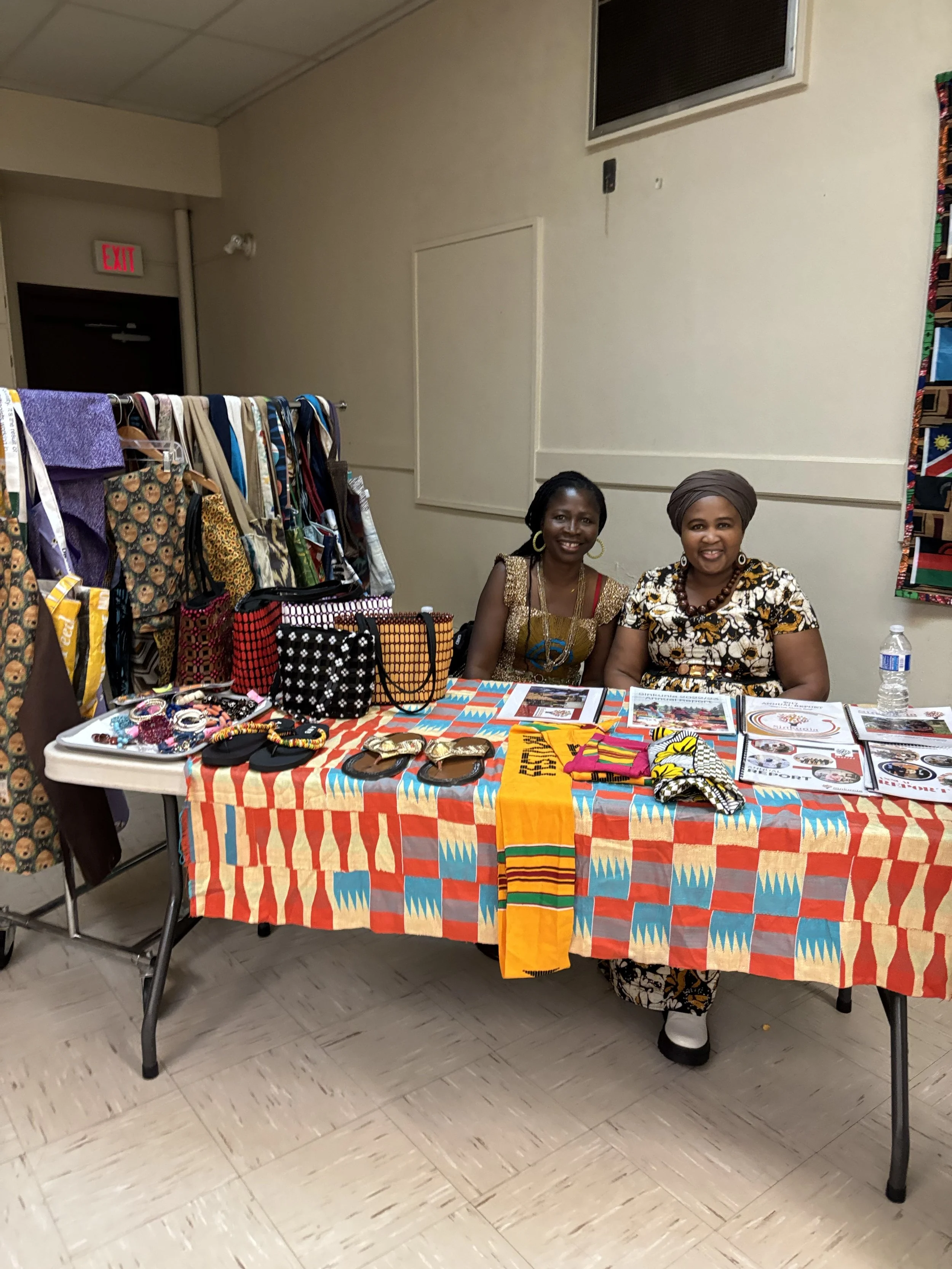
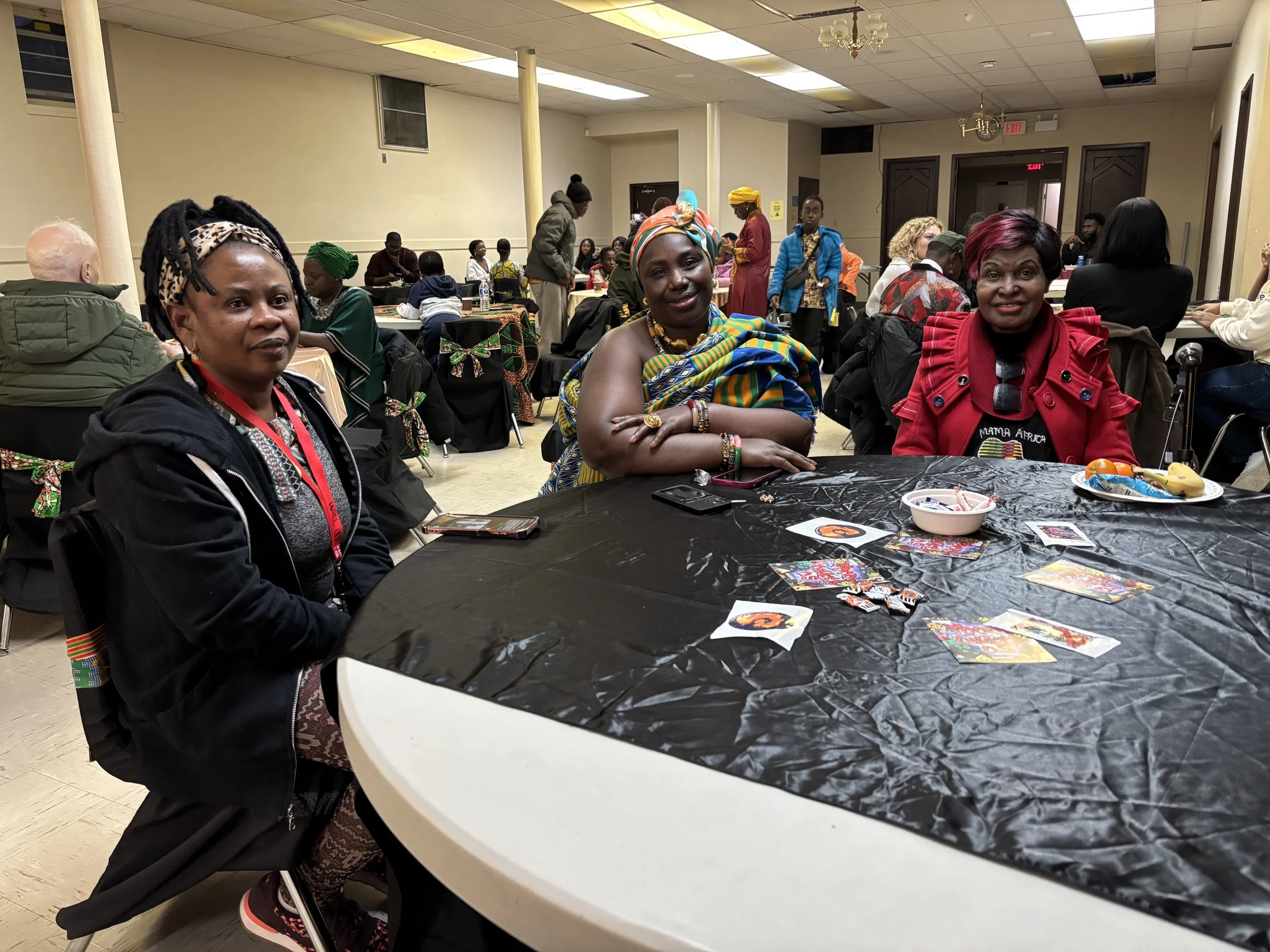
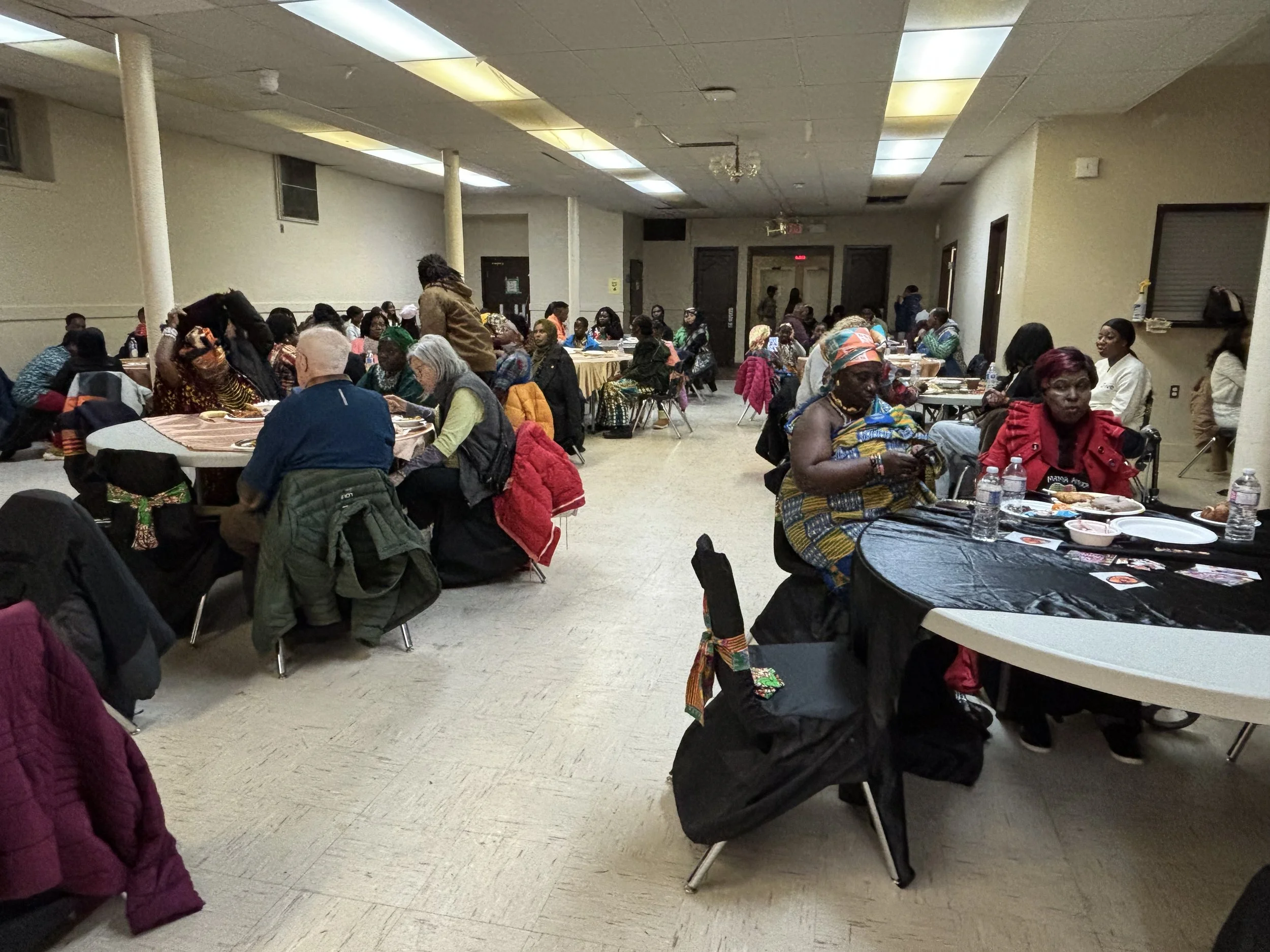
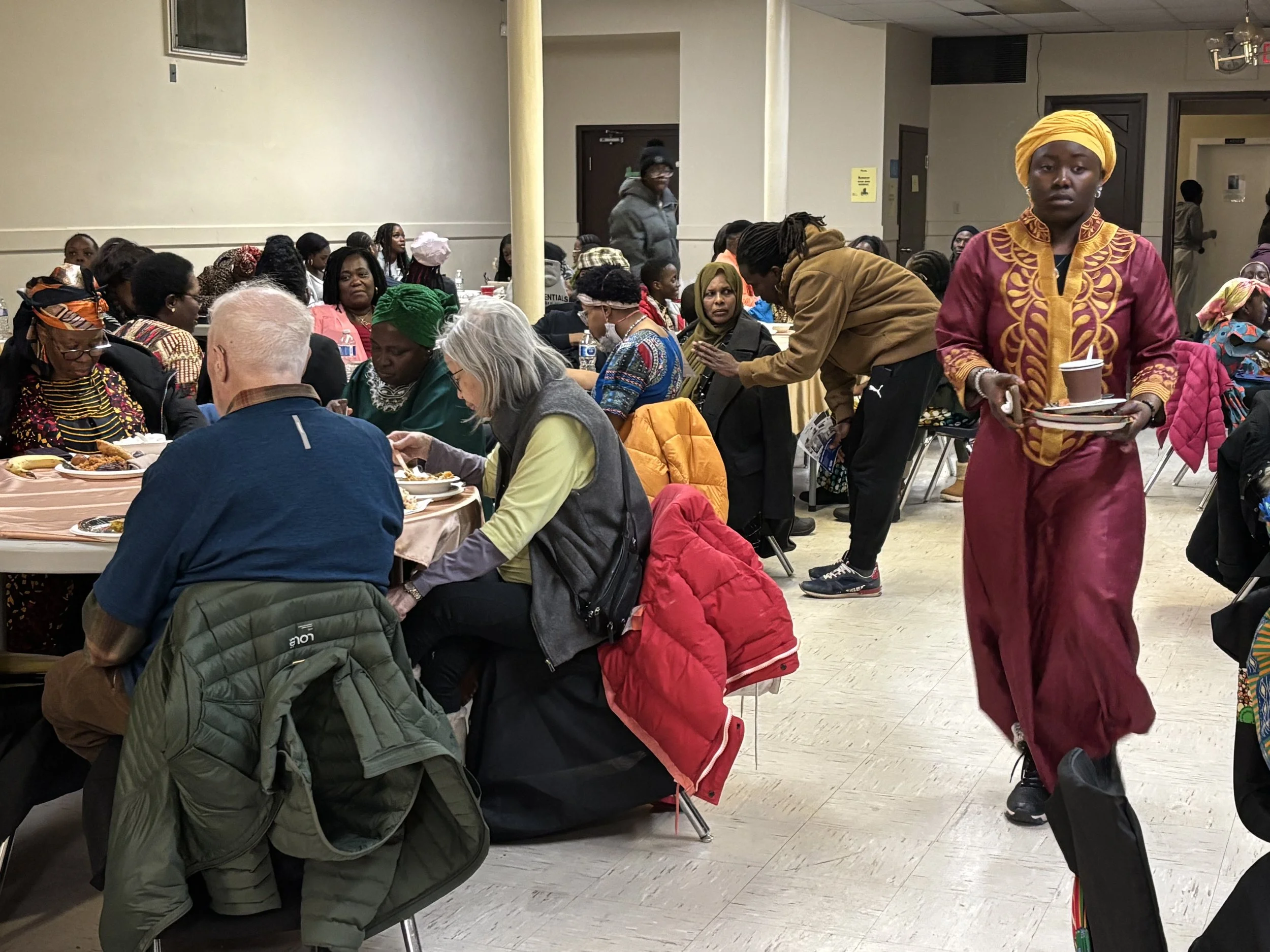
On February 26, 2026, the Sinkunia Community Development Organization transformed into a vibrant hub of culture and conversation. The event, “Food as Memory: Honouring Black Culinary Roots and Resilience,” was much more than just a dinner and information session. It was a journey through time, using food to tell the story of Black history, present-day challenges, and a hopeful future.
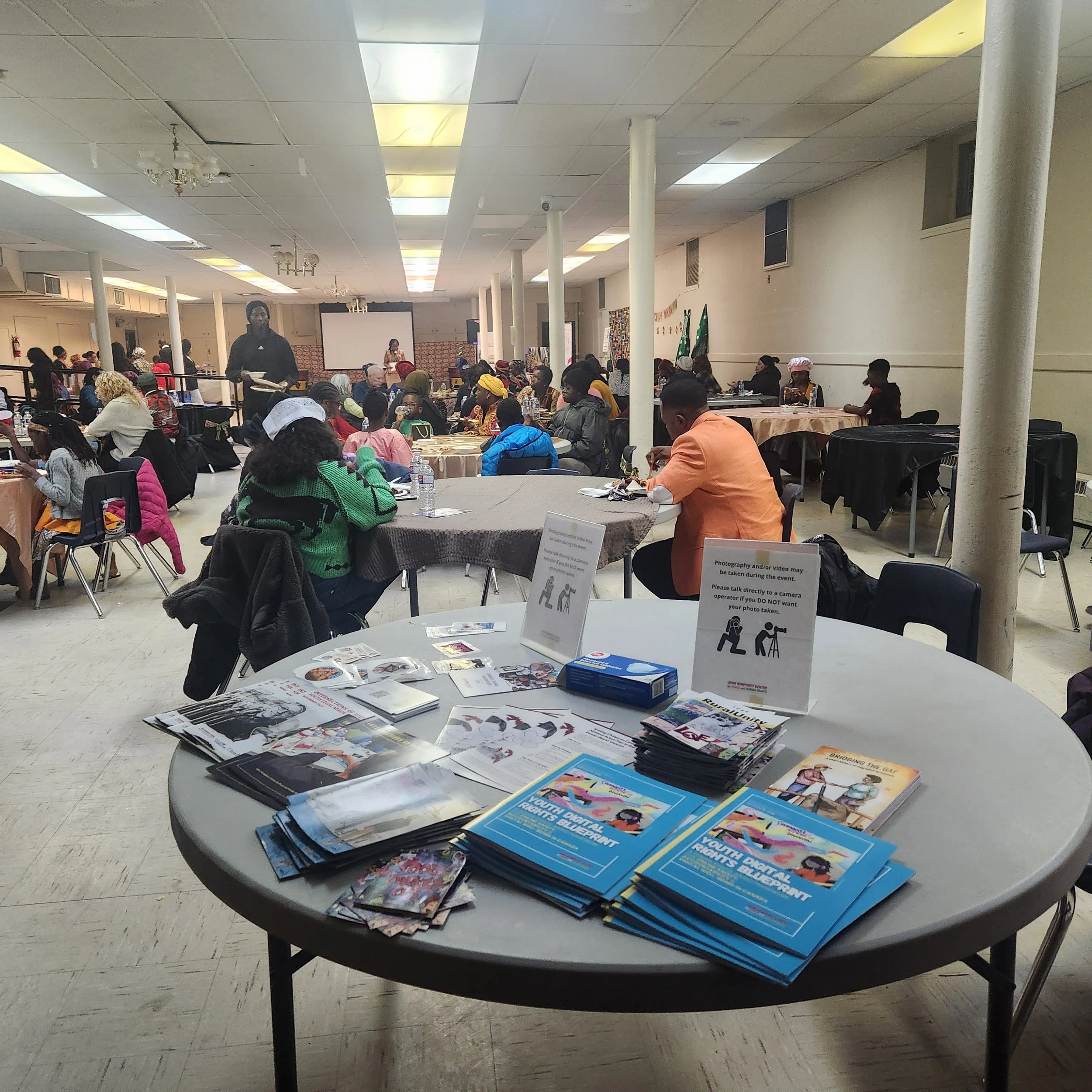
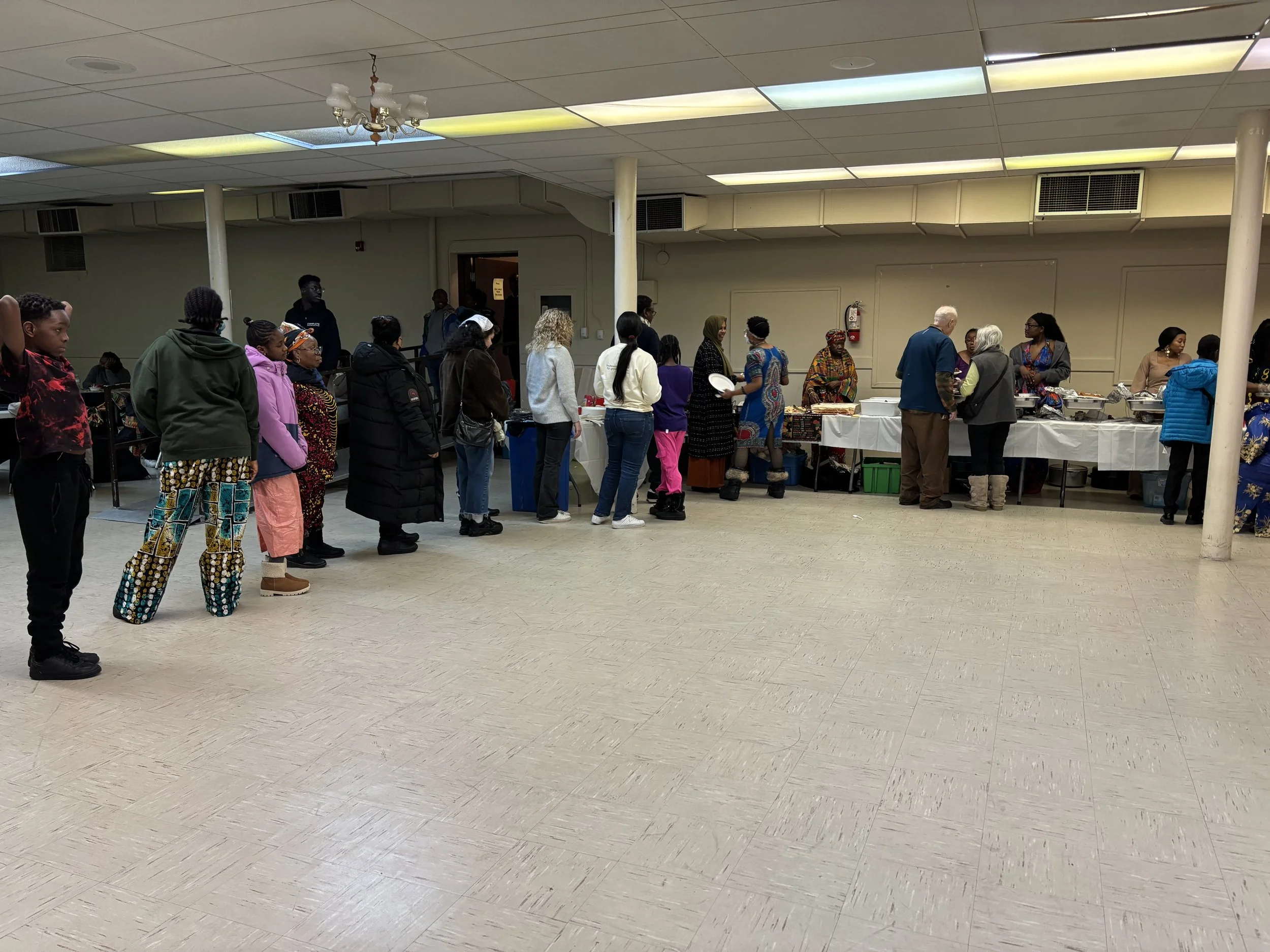
With 125 people in attendance—ranging from young children to elders—the night proved that food is a powerful tool for bringing people together and resisting the erasure of culture.
A Journey Through Time:
The evening was structured to help participants look at the world through three different lenses:
Looking Back: Speakers discussed how colonization and migration often tried to erase African and Caribbean food traditions. By cooking and sharing these dishes today, the community is reclaiming its history.
“Africa and Caribbean food are rich, diverse, and deeply rooted in history. Yet, colonialism sought to strip us of these traditions. The ingredients were criminalized or deemed primitive. Food like yams, plantain, okra and the traditional cooking methods were looked down upon by colonial powers.” - Adebayo Katiiti
The Present: Researchers from the University of Alberta joined community leaders to talk about food insecurity. They highlighted the real-world struggles many Black families face in finding affordable, healthy, and culturally appropriate food.
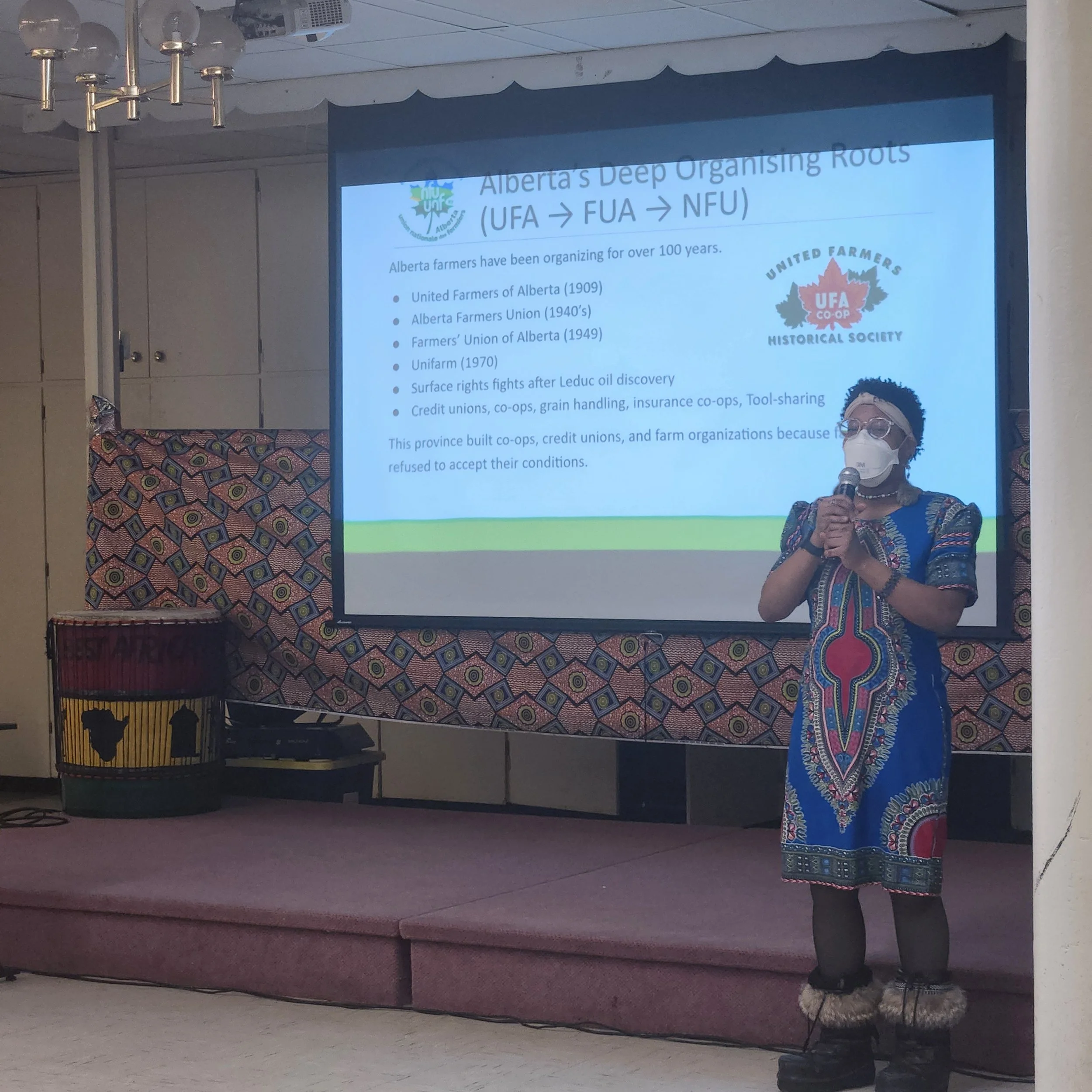
Looking Forward: The focus shifted to food sovereignty—the idea that communities should have the power to control how their food is grown and shared. This included inspiring talks about urban farming and the skills that newcomers bring to Canada’s agricultural scene.
“It is something we learn from generations. From mothers sorting seeds to communities gathering during harvest. Where farmers grow food not only for survival but for celebration, culture and identity.”
- Ahmed Noor; Executive Director, Partners for Humanity Council
A menu that honoured African-Caribbean cultures and history
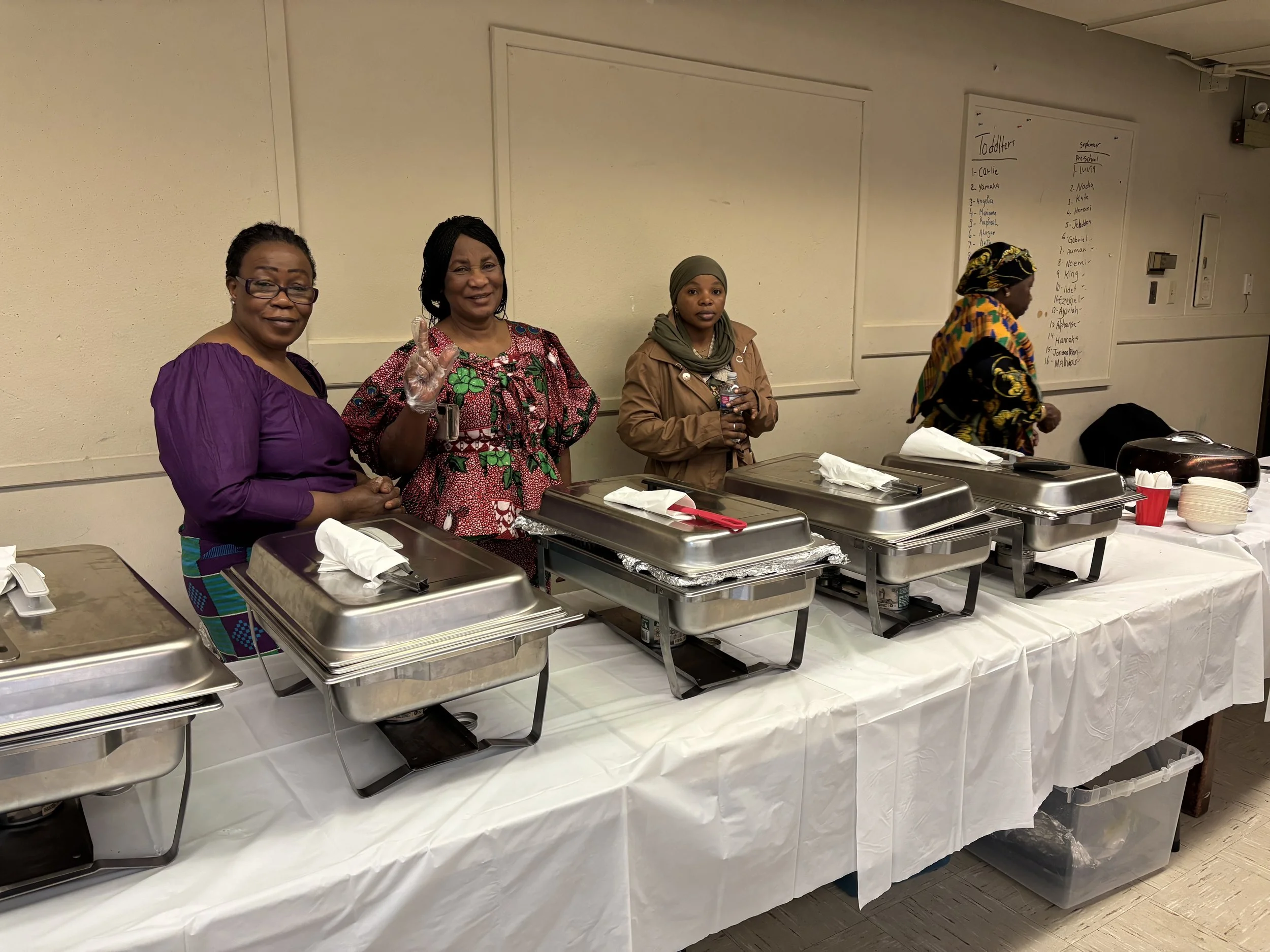
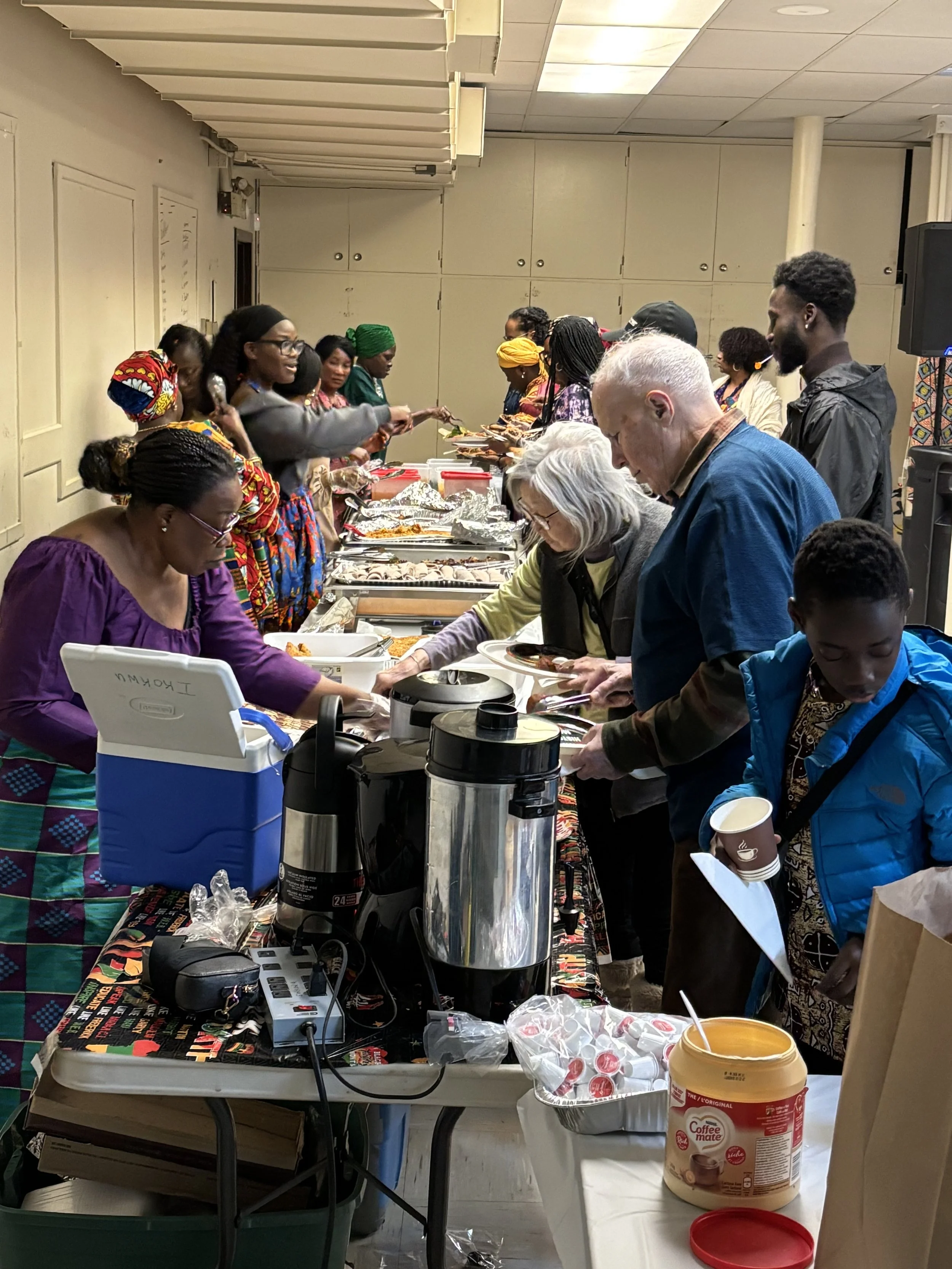
The food served wasn't just delicious; it was a showcase of the Black diaspora. Each dish represented survival, memory, and celebration. Some of the dishes included Siga Wat, Injera, sweetbreads, jollof rice, pepper soup, cassava, plantain, sambusas, and chicken and beef dishes.
Because the event took place during Ramadan, the organizers made sure there were dedicated Halal food options and quiet prayer spaces so Muslim community members could comfortably break their fast at sunset.
Many Voices, One Community
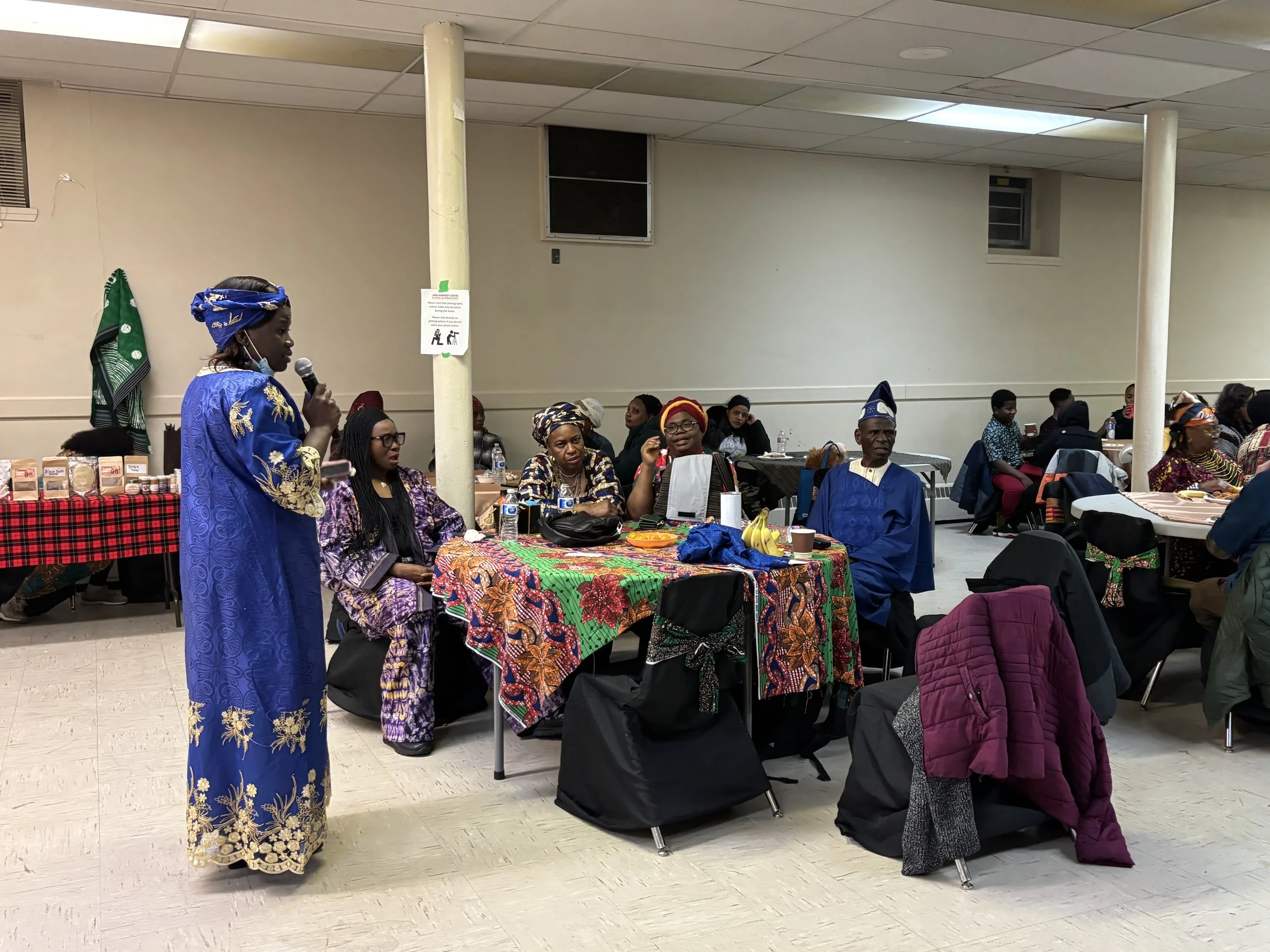
One of the most impactful parts of the night was the mix of people speaking and presenting. The event intentionally centered voices that are often left out:
Intergenerational Power: Youth led the land acknowledgment and performed a high-energy dance — ending the evening with vibrancy and strength, while a group of grandmothers helped decorate and host the space.
“...women and youth are central to actors of change in agriculture.”
— Adama Bundu, Youth President - National Farmers Union
Diverse Perspectives: Adebayo Katiiti, of RaricaNow, shared their unique experiences with identity and food access that is relatable to many in the Newcomer and trans community.
“Forced migration and enslavement disrupted our culinary lineage. People were turned from their lands, forbidden to practice their food ways, and made to adapt to foreign diets, including burgers, pizza…that food doesn’t nourish our souls or our spiritual or cultural backgrounds. What was lost was not just recipes. It was connection to the land, connection to our ancestors, connection to our families, connection to ourselves." — Adebayo Katiiti
Academic & Lived Experience: The program balanced research from university professors with raw, real-life stories of mutual aid leaders who are doing food work in Edmonton.
“We have seen families who once depended entirely on food banks begin to grow their own food. We have seen youth who felt disconnected from both their ancestral homelands and Canadian society suddenly discover pride, confidence, and identity through farming. We have seen elders regain dignity when their traditional knowledge becomes valued again—not as history, but as living wisdom. One elder once told us [at Partners for Humanity] with tears in his eyes, ‘When I touch the soil again, I feel like I'm home in two countries at the same time’. That—that is the power of returning to the land.”
— Ahmed Noor, Partners for Humanity Council
What We Learned
The "Food as Memory" event taught us that food is never just food. It is resistance, celebration, and remembrance. When a community grows its own vegetables or cooks a traditional family recipe from a distant homeland, they are fighting against current systemic inequities and honouring their ancestors who have walked before.
"Food is not just sustenance. It is memory. It is identity. It is resistance. Food is medicine. Food is fuel for our bodies. And when our food is erased, so too are our stories." — Adebayo Katiiti
“Food is nutrition. But when we are talking about food as immigrants, it’s beyond nutrition…It’s about memories. It’s about connection. It’s about community — and food carries memories…
The thing with migration; our food ways get disrupted. There’s basically nothing we can do about it so to speak. We tend to learn to navigate it over time. We move through it. But there’s always going to be a difference”. — Toyin Ajibade, Student Researcher, University of Alberta
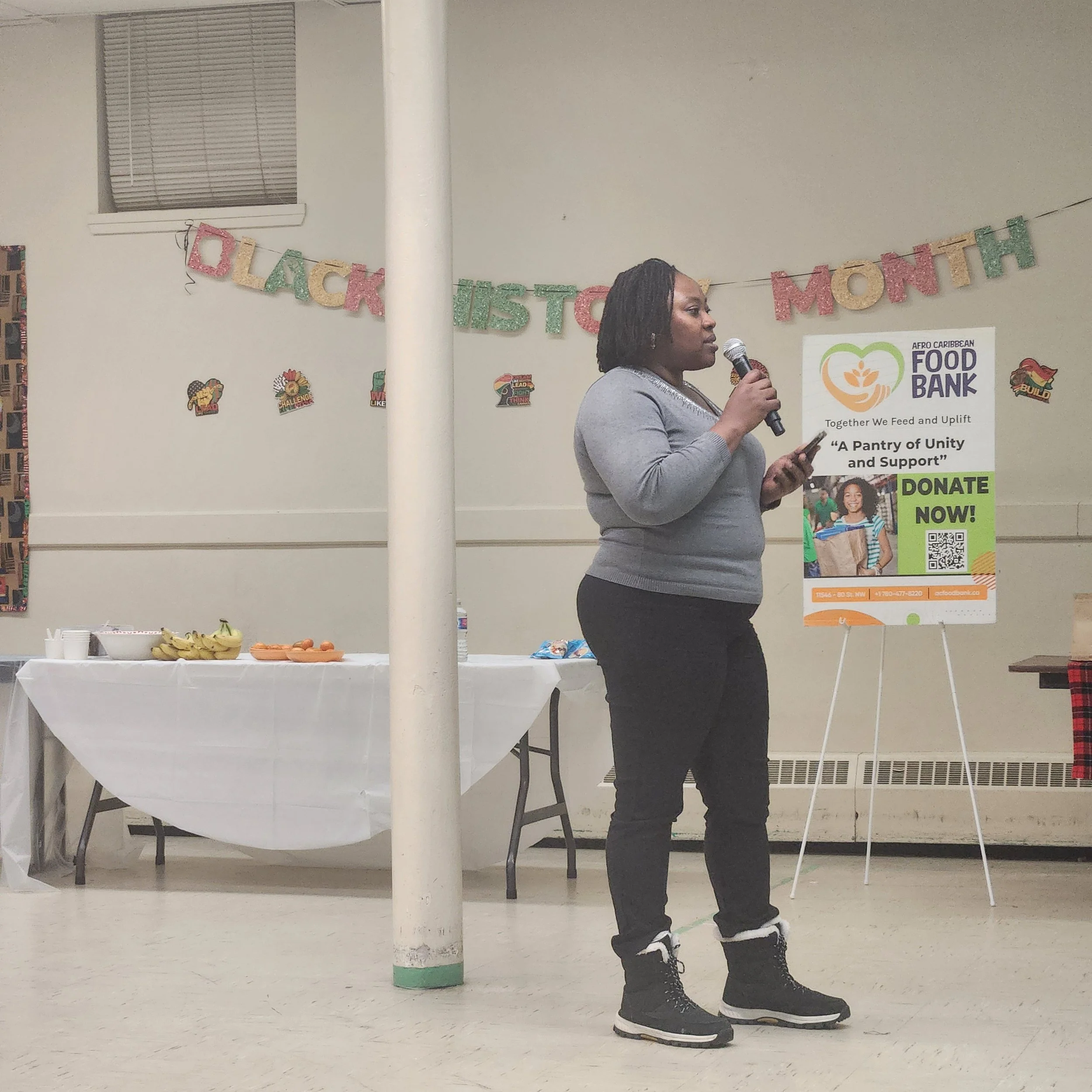
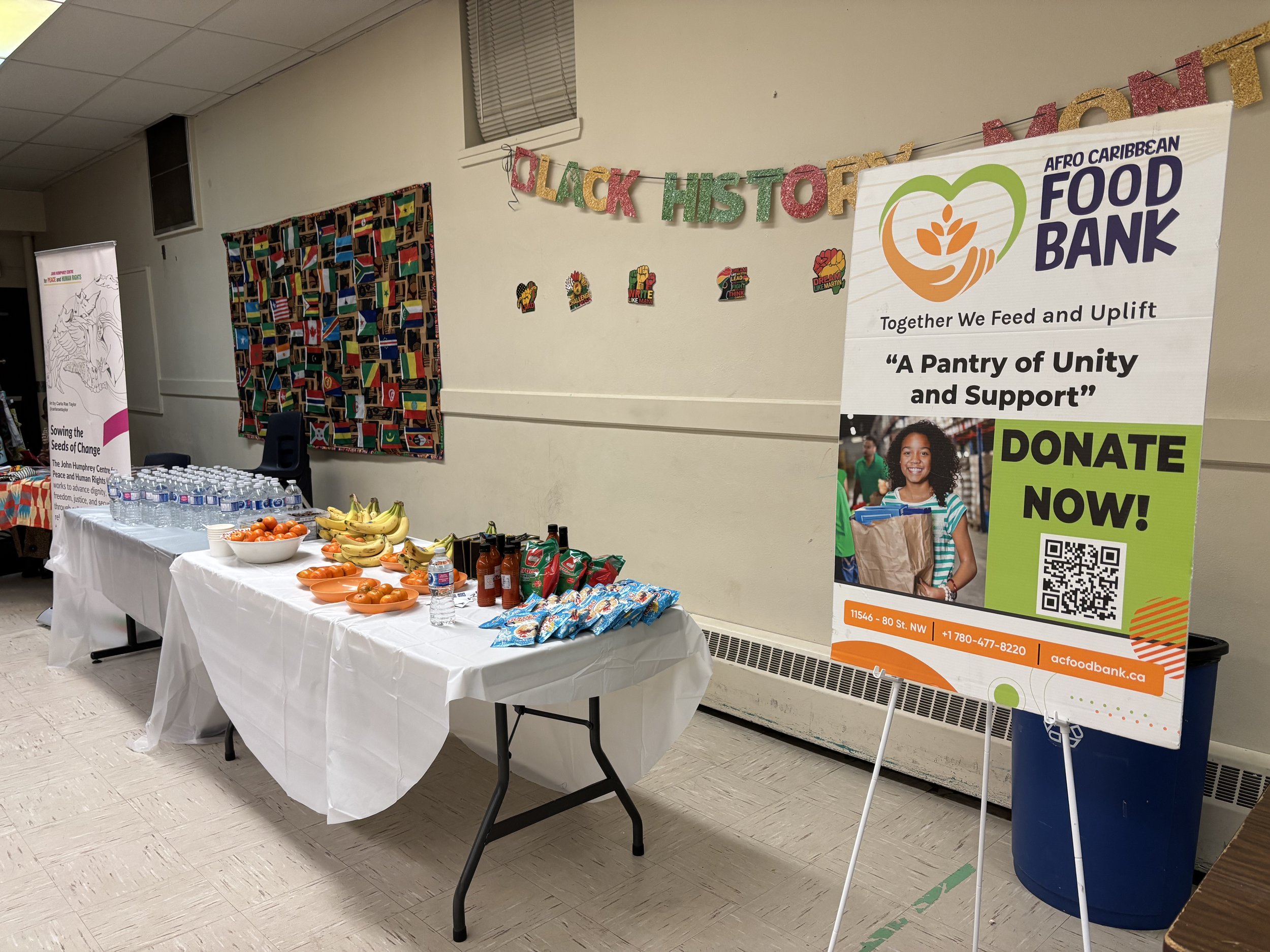
The night moved from discussing the ongoing crisis of food insecurity in Alberta and affordability, to the strength found in community-led solutions like the Afro-Caribbean Food Bank, CANAVUA, Partners for Humanity and the National Farmers Union. The initiatives being led by these groups showcase the ingenuity, leadership, and community led solutions that can truly make impacts for Black, African and Caribbean communities in Canada and beyond.
The final speaker, Ahmed Noor, Executive Director of Partners for Humanity Council, shared a beautiful story that showcases hope for the future.
“At one of our community family farming programs, a young refugee child planted seeds for the very first time. After watering the soil carefully, the child asked a simple question: 'Will this grow here even though it is from my country?’ An elder standing nearby smiled and said, 'If you care for it, it will grow anywhere just like you’.”
“Returning to the land is not about returning to our past. It is about planting roots in new soil while carrying the strength of where we came from. It is about building a future where immigrant knowledge, Indigenous respect for land, and African-Caribbean innovation grow together. And most importantly, it is about growing hope."
Acknowledgements:
Thank you to the community partners for trusting and supporting to bring this event to life: Sinkunia Community Development Organization, John Humphrey Centre for Peace and Human Rights, Afro-Caribbean Food Bank, RaricaNow, CANAVUA, Partners for Humanity Council, Shiloh Centre for Multicultural Roots, and Taccalusa Institute. We also thank all the amazing volunteers who helped set up and support throughout the night.
We also thank our incredible presenters and speakers from that evening, including: Adebayo Katiiti, Professor Elizabeth Onyango, researchers Toyin Ajibade and Tyra Mensah, Adama Bundu, Dicky Dikamba, Ranti George, and Ahmed Noor. Thank you for sharing your expertise, teachings and time with us!
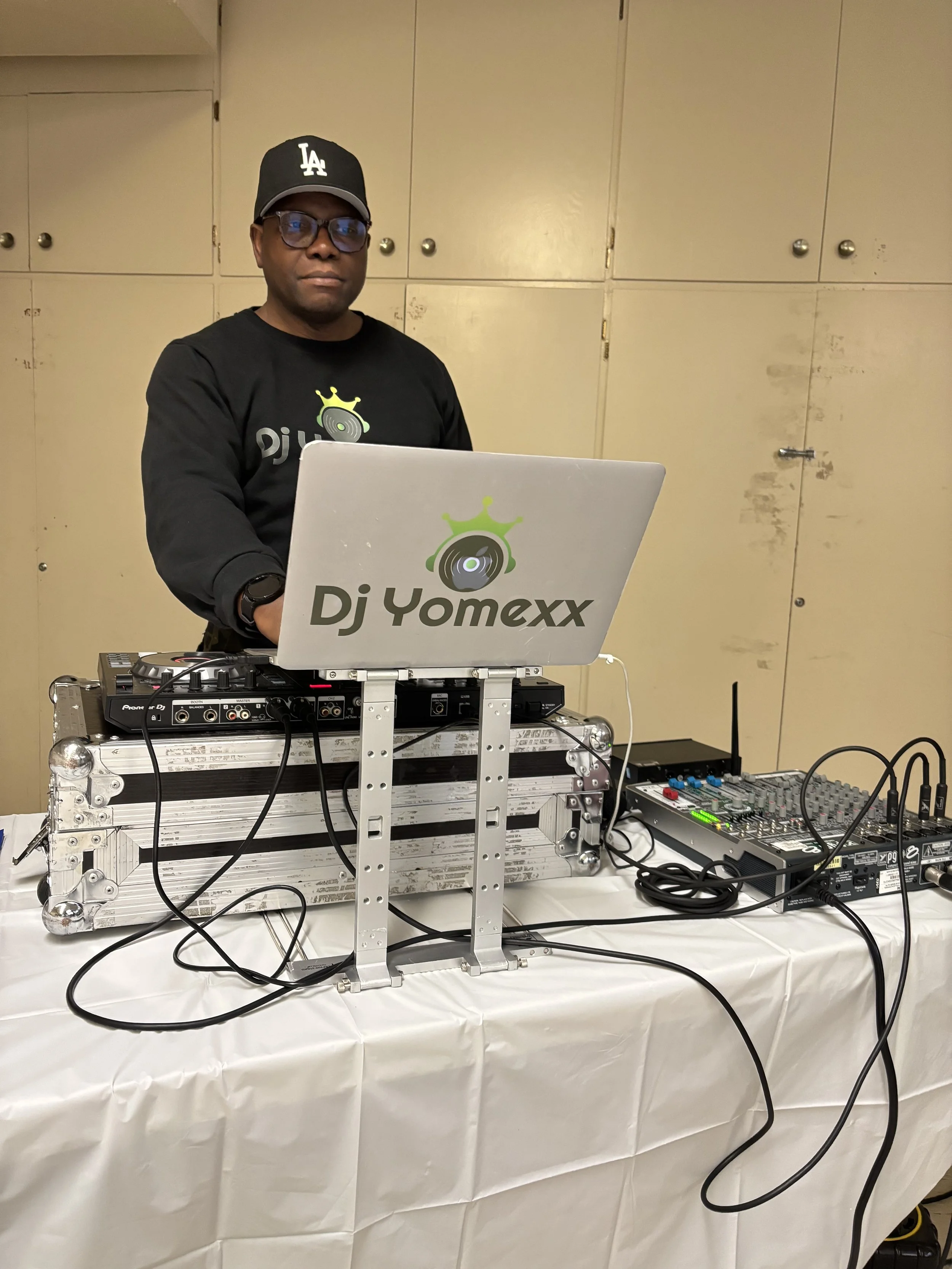
Thank you to those who provided food and entertainment that evening by Habesha Cravings, GUUTO Mothers, Sinkunia Grandmothers, Tinah Dikamba, CANAVUA Youth Dance group, and DJ Yomexx. The food, music, and dance performance was incredible!
This session was one of numerous sessions hosted to mobilize knowledge from the community to inform the work of the Food Security and Food Justice Edmonton Collaborative (FSFJE) supported by the City of Edmonton Community Safety and Well-Being Grant, and the Royal Bank of Canada (RBC).
We acknowledge the support of Africa Centre, the City of Edmonton, the Edmonton Community Foundation, and the Edmonton Heritage Council for making this Black History Month Initiative possible!