Moving Mountains: Reflections from the "What Was Lost" Train the Trainers Workshop
By Renée Vaugeois.
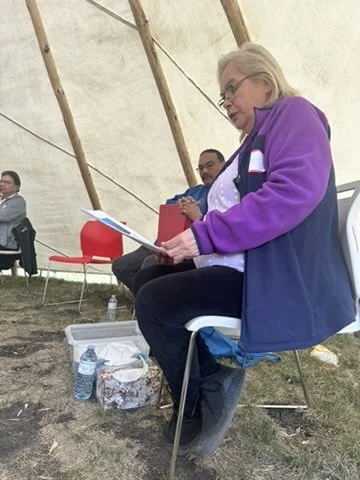
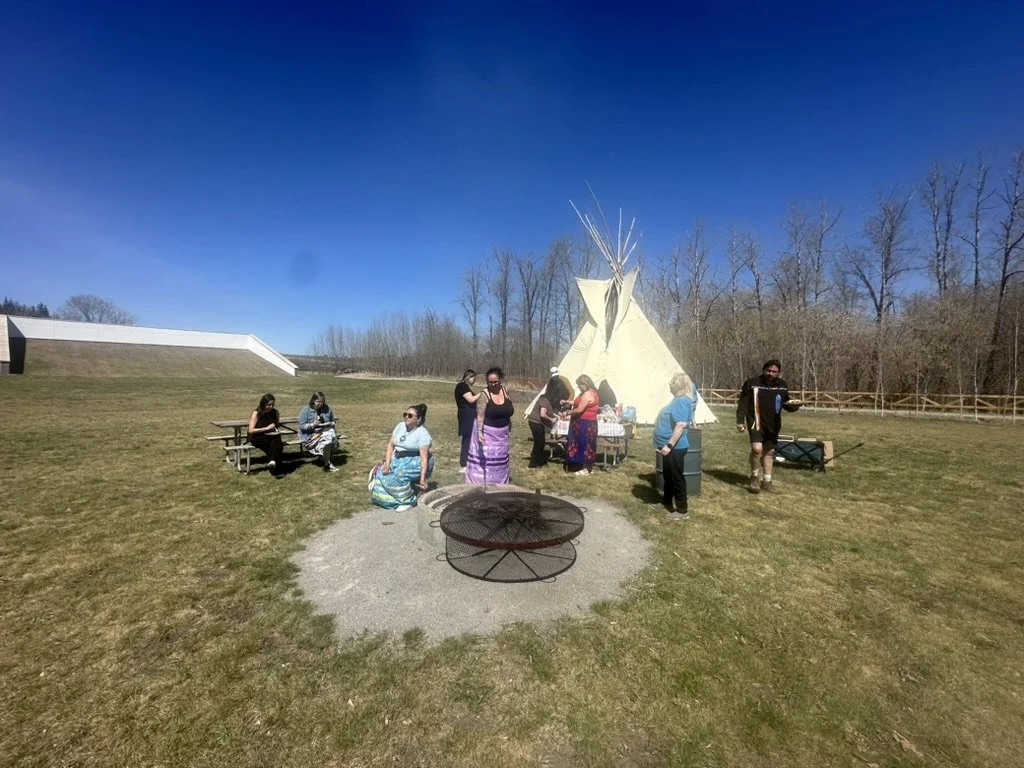
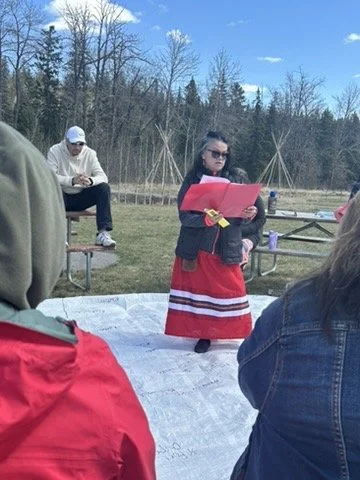
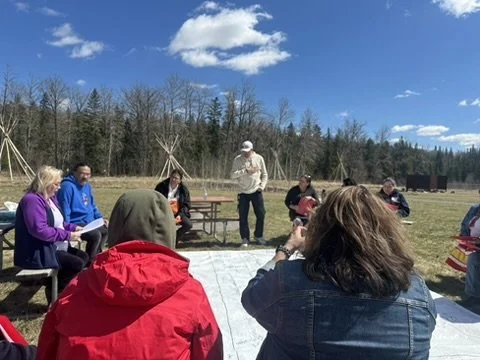
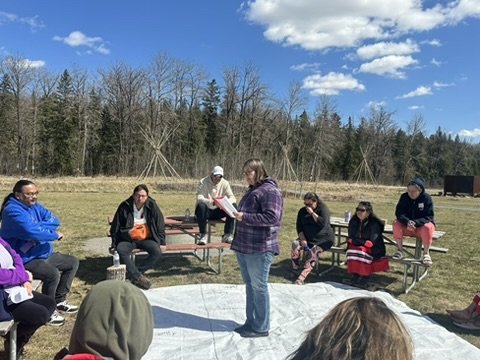
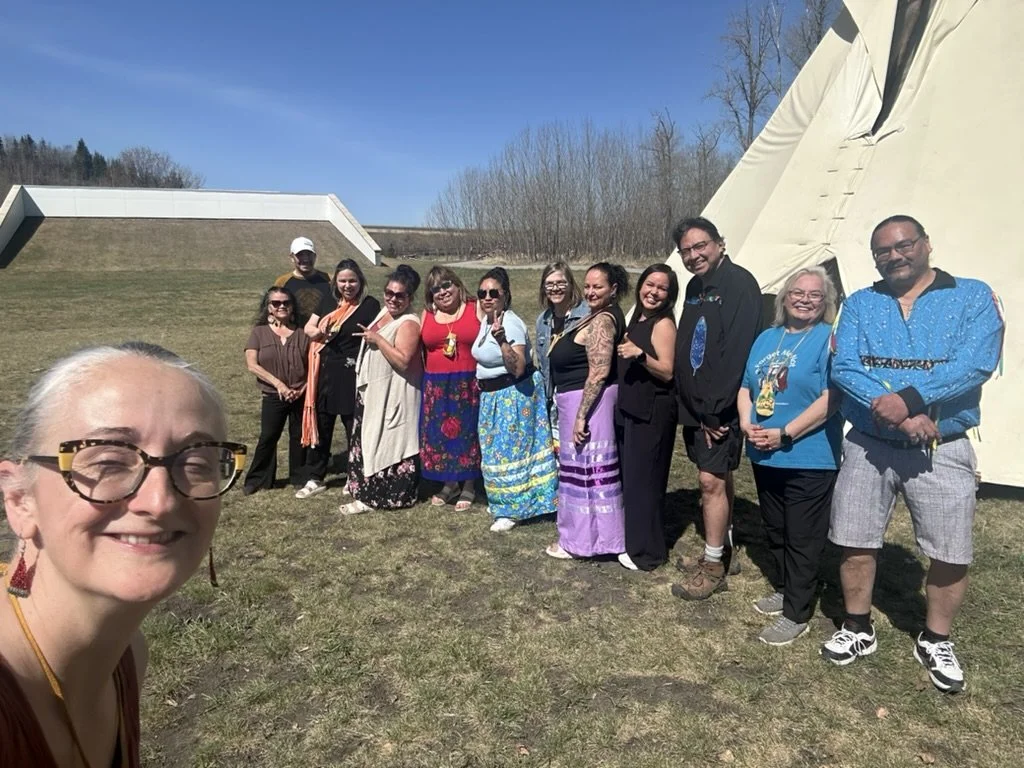
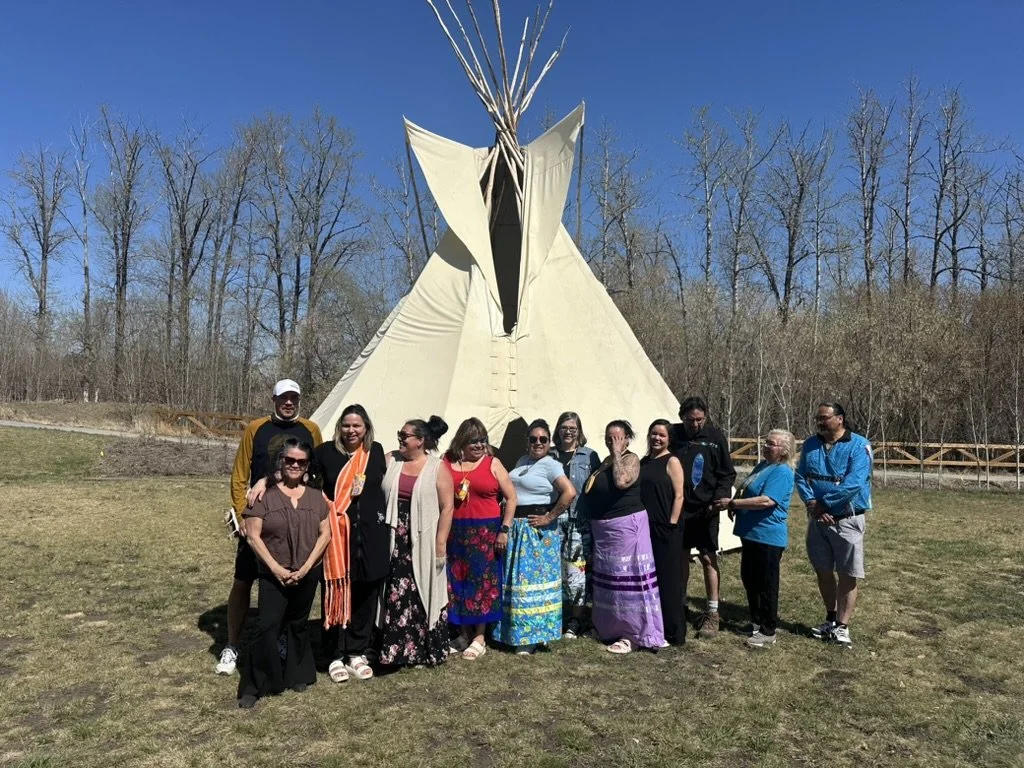
There is a quiet power and strength in a room full of survivors reclaiming their stories. I recently had the incredible privilege of supporting the Sixties Scoop Indigenous Society of Alberta (SSISA) to plan and host a four-day Train the Trainers workshop in Edmonton on site at kihcihkaw askî-Sacred Land. Our goal was to build the capacity and human power needed to advance their powerful What Was Lost (WWL) training.
The four days flowed gently and beautifully, creating a much-needed sacred space for survivors to foster a sense of community, build strength for future education, and transform vulnerability into a collective superpower.
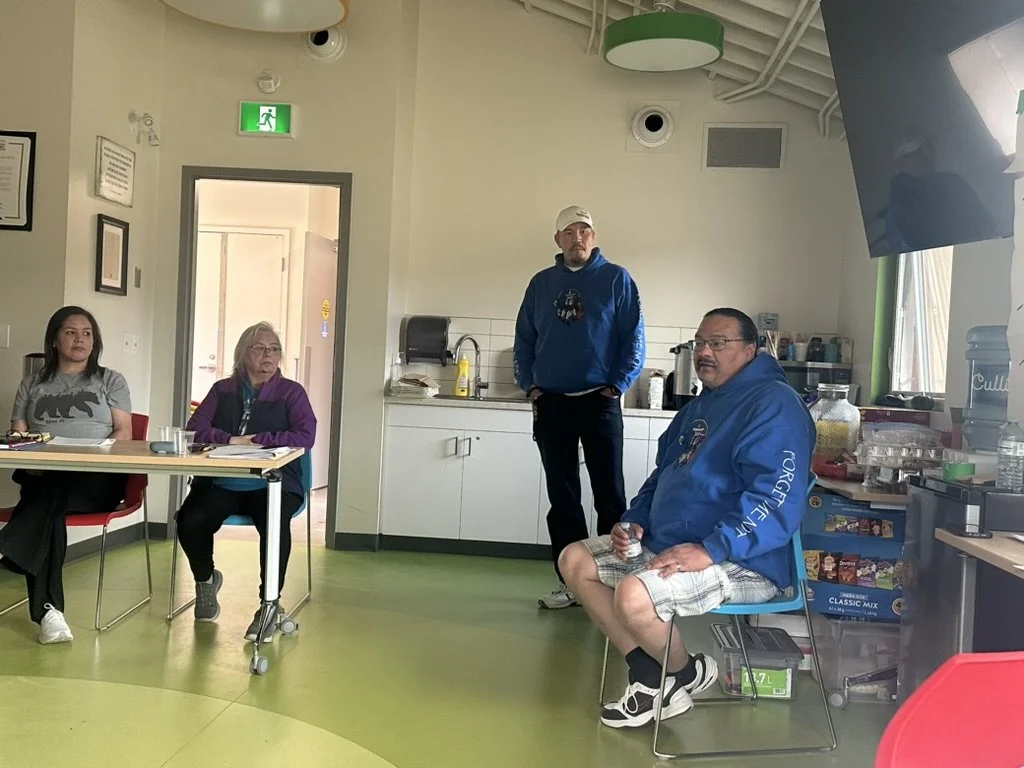
We began our journey with SSISA’s foundational history, grounded by Adam Peigan North, who reminded us of the grassroots persistence that built this movement. From there, the team dove into hands-on storytelling, practicing the integration of their own lived experiences into the training framework.
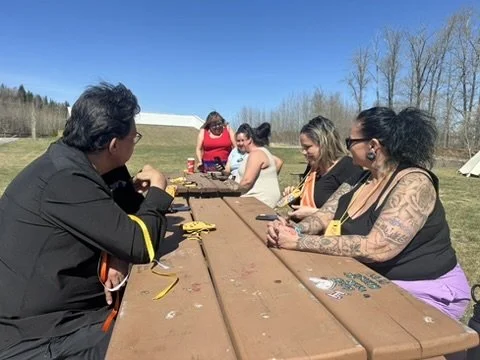
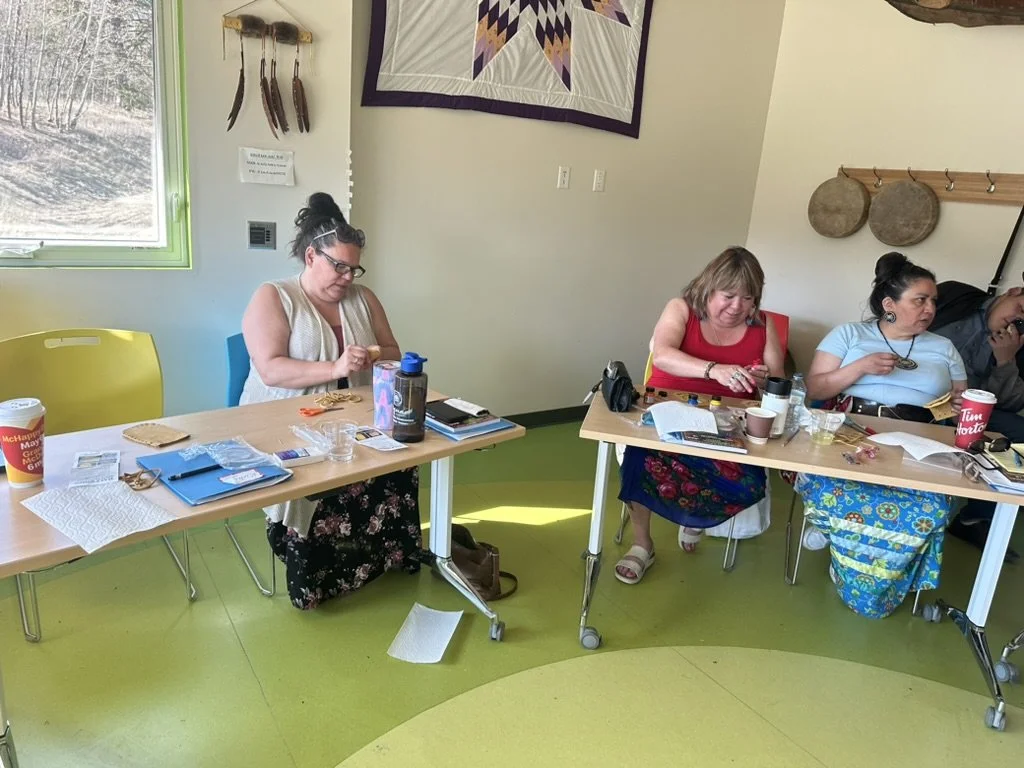
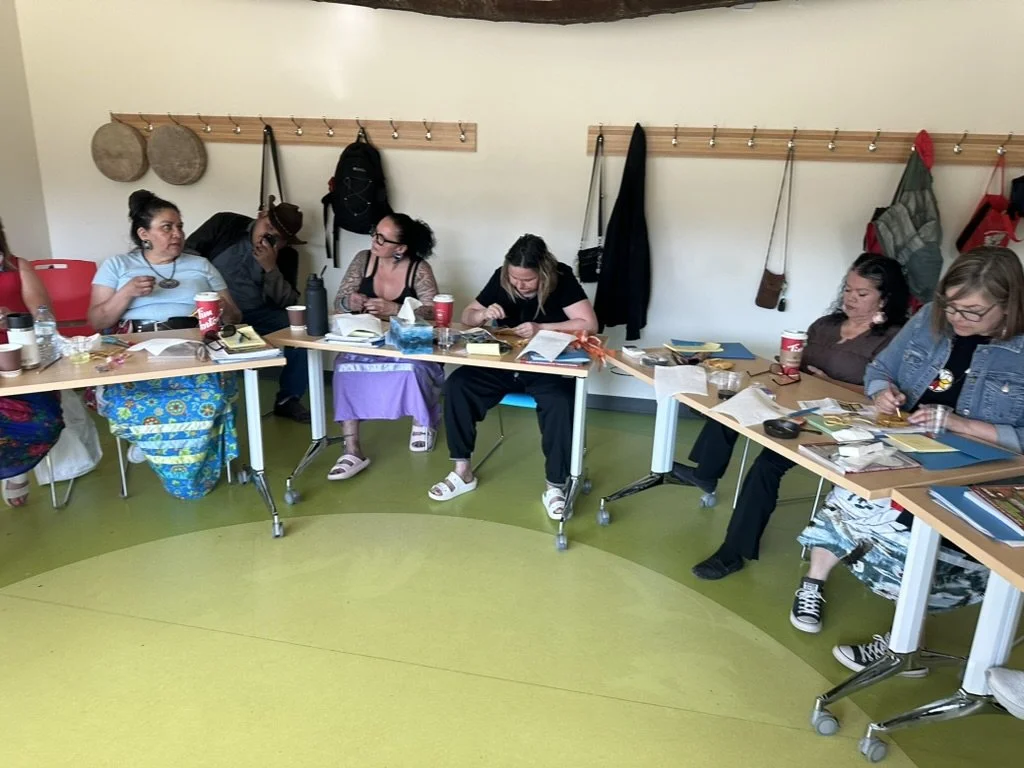
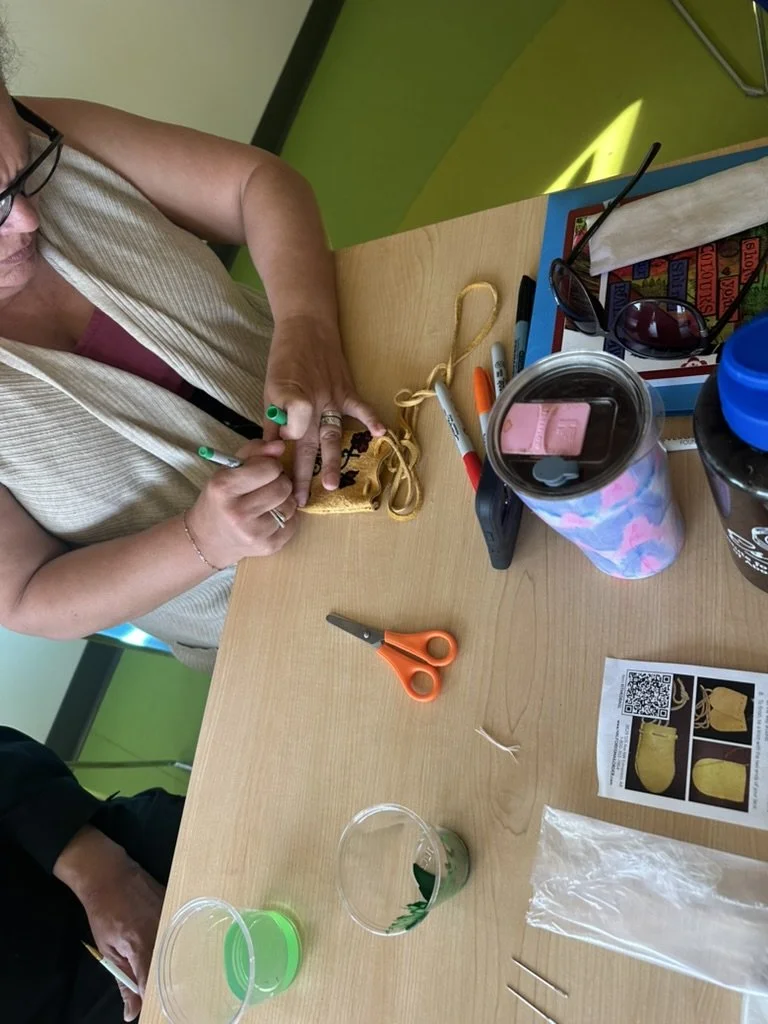
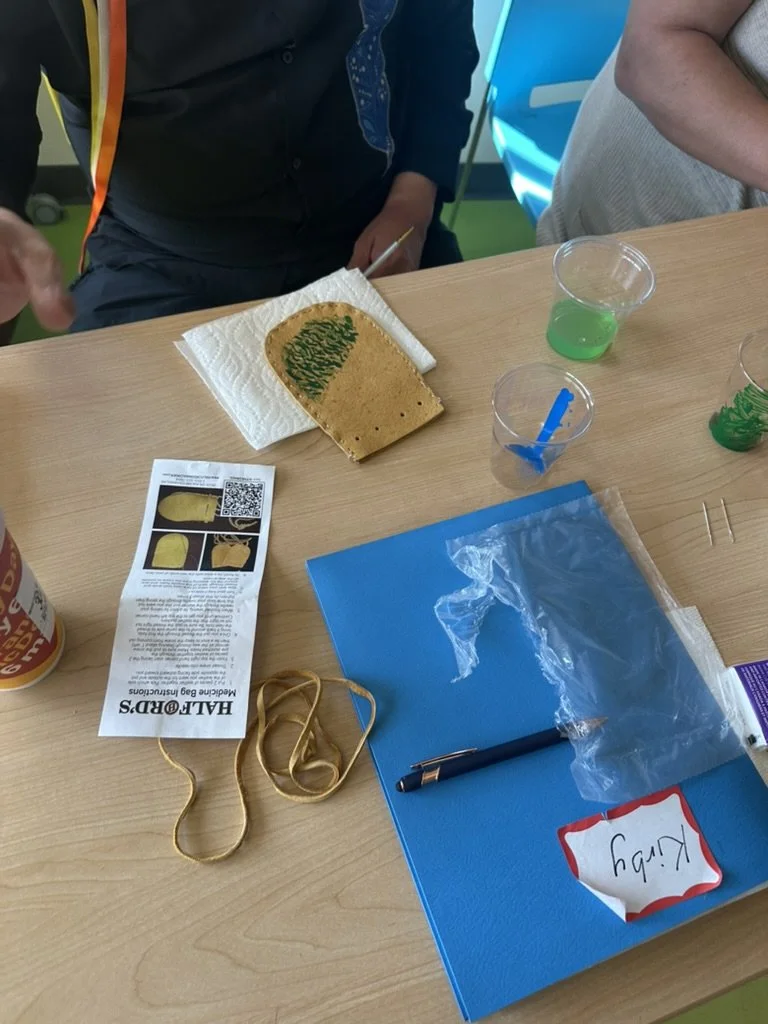
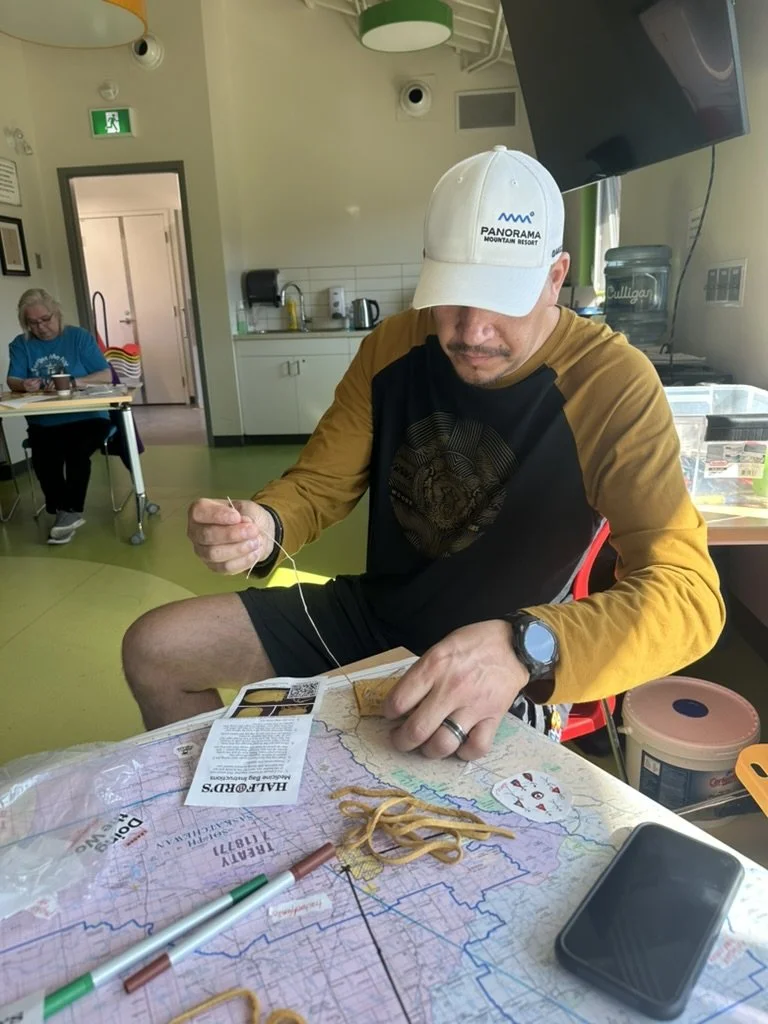
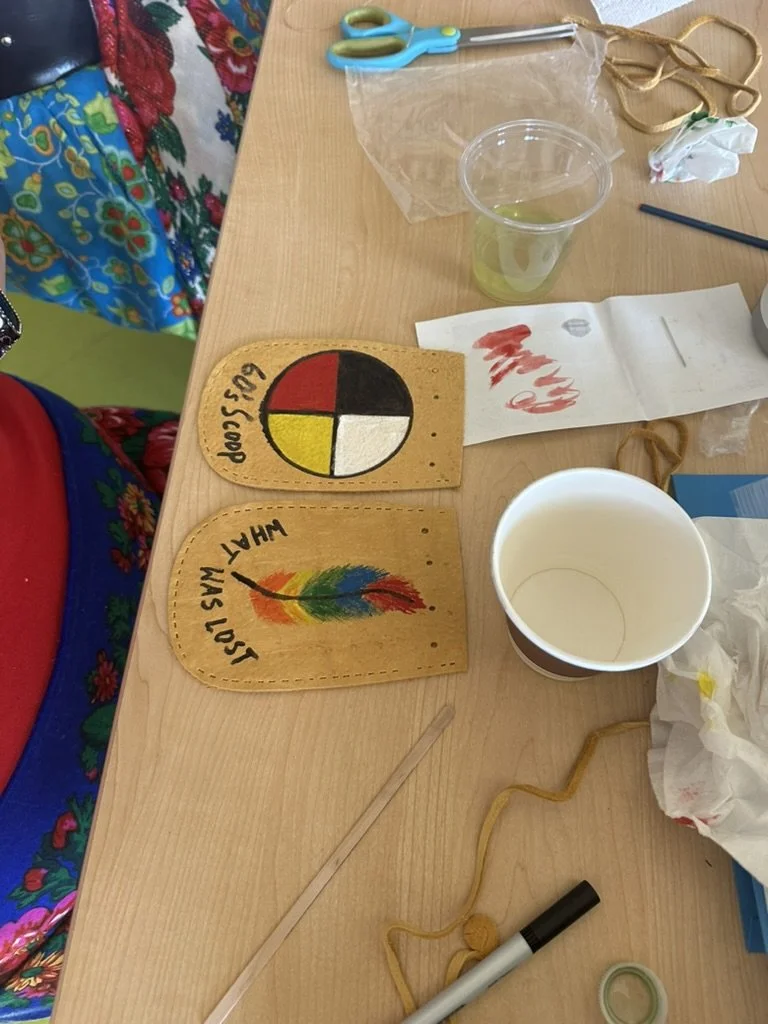
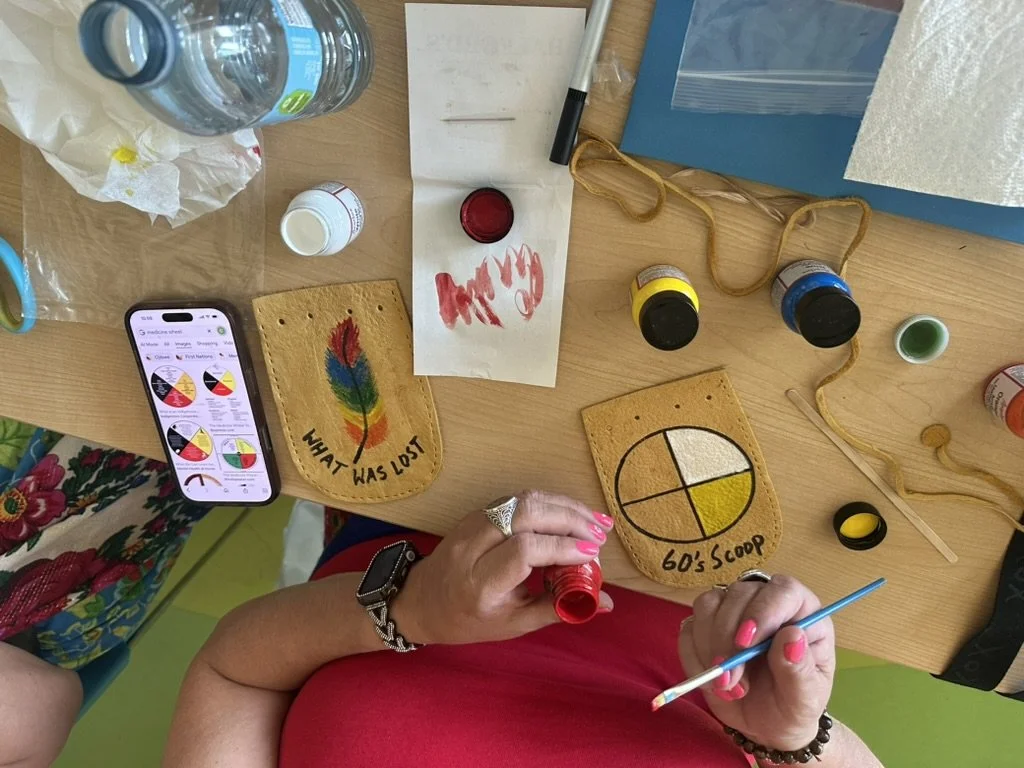
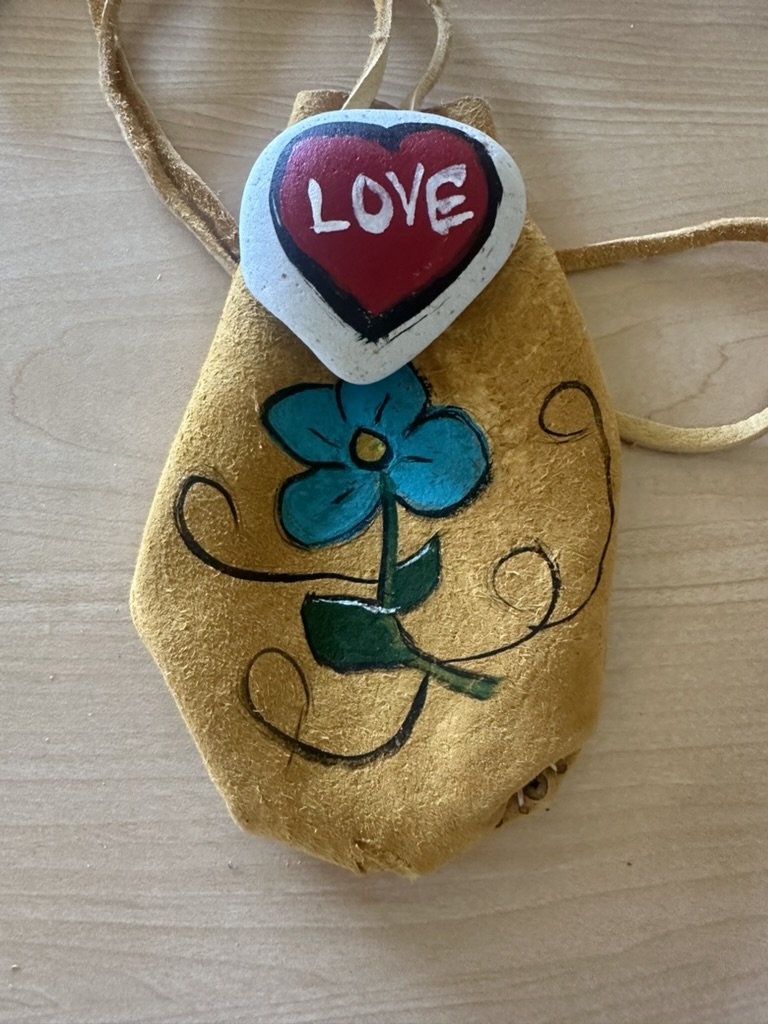
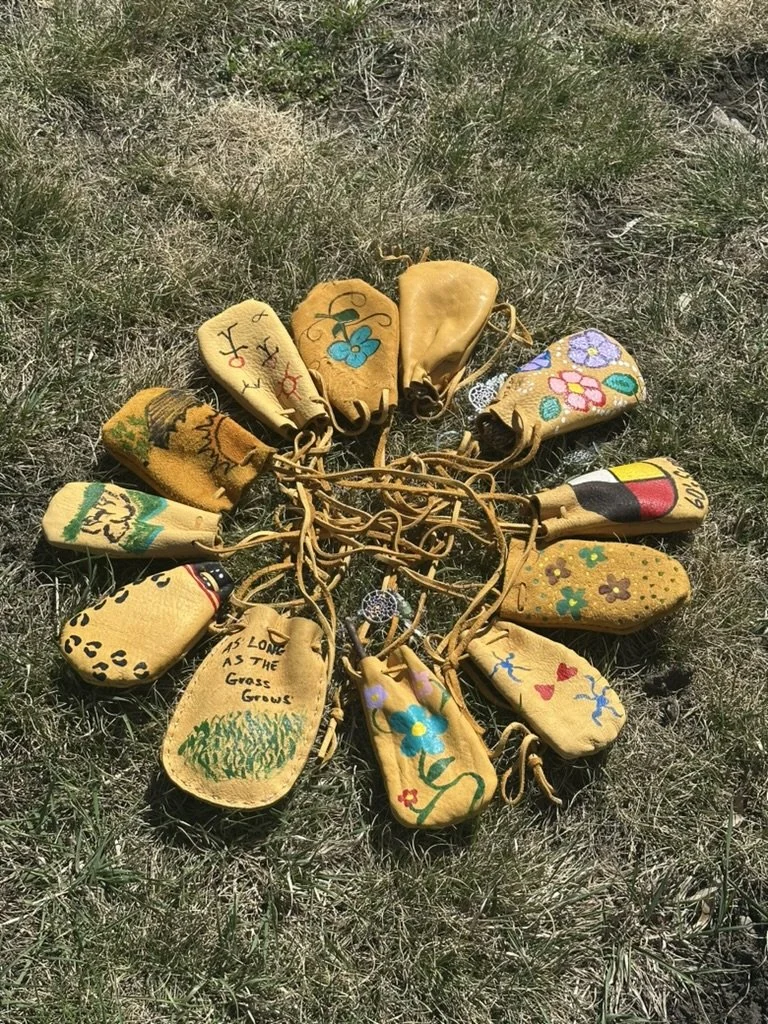
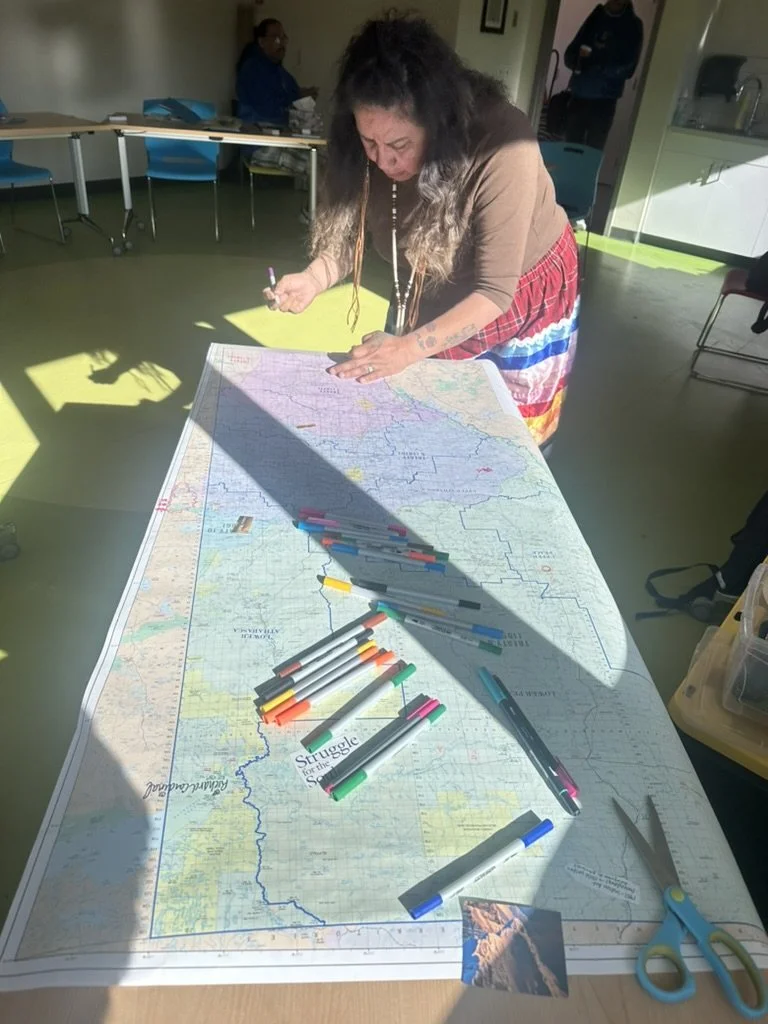
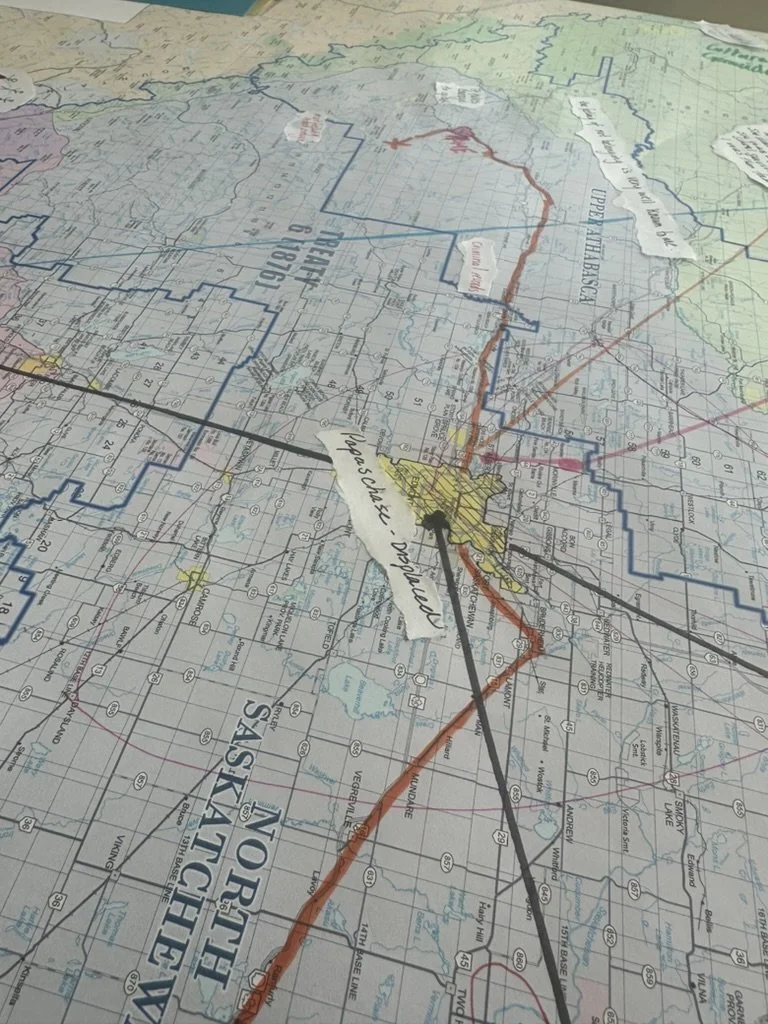
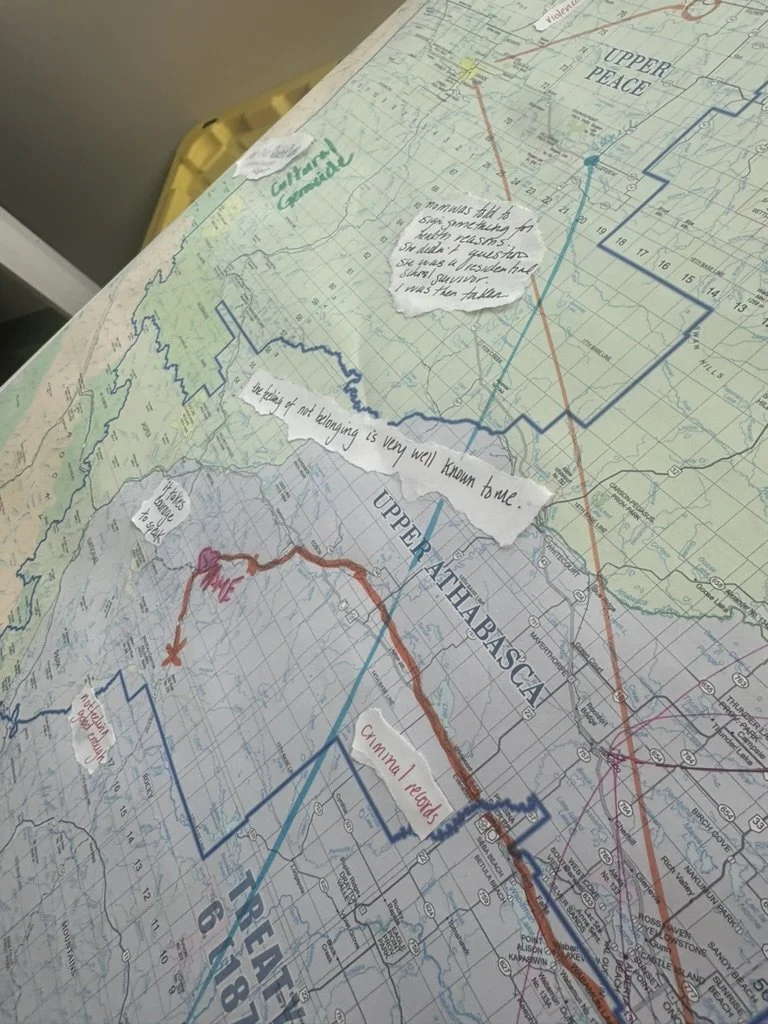
We paired this heavy, emotional work with art reflection and the building of bundles. For the first time in my facilitation career, I fully embraced the art process myself. Working with participants, we created a rugged image of the treaty areas of Alberta mapping the journeys survivors have walked alongside the key messages of loss, pride and resilience from the training. By the final circle of the fourth day, a brilliant transformation had occurred: a quiet room had become loud with genuine, gut-deep laughter, connection, and a solid network ready to step up as a unified "Sixties Scoop Army".
Yet, holding space for deep systemic trauma is rarely a straight line. While the feedback was overwhelmingly stellar, the evaluation revealed that my presence as a non-Indigenous facilitator had heavily triggered one participant.
It weighed heavily on me. I spent time reflecting on whether I should simply retreat to the background—managing the food and logistics to give the team total space. But looking back, doing so would have meant losing the vital co-facilitation support, the deeper structural teachings, and the very art integration that allowed us to map these journeys.
True reconciliation is a complex, often uncomfortable practice. I completely understand where that pain and resistance came from. This experience doesn't diminish the brilliance of the four days; rather, it serves as a necessary, humble reminder of the continuous care, nuance, and self-care required when walking alongside survivors on their road to healing.
The core human truths that emerged from the training deserve to be brought into the light. Over those four days, collective reflections crystallized into powerful themes that define why this training is shifting hearts and souls:
Persistence & Grassroots Advocacy: We were reminded that the push for the Alberta government's apology was built on individual, relentless determination. As Adam's story taught us: "No one can tell me that mountains can't be moved." Survivors are, and must always be, the true leaders and experts of the child welfare system because they lived it.
Healing Through Connection: Finding others with shared lived experiences broke centuries of isolation, proving that "safety is healing." One survivor beautifully shared: "I’ve been around long enough now that I’ve heard my story... There’s healing that comes in connection... To me, vulnerability is a superpower."
From Internalized Shame to Radical Pride: The Scoop forced a permanent, painful label onto children, making them feel second-class and disposable. Reclaiming that identity is a lifelong road, but it leads to a profound reclamation of strength: "For a very long time, I was ashamed of being an Indigenous person... today, you know, I sat very proud in where I stand and myself."
Shifting Hearts and Souls: The What Was Lost exercise is a vital, experiential tool designed to build empathy in mainstream Canadians and child welfare workers so they do not so quickly pass judgment. It provides the essential systemic context of why things are the way they are, replacing racist misconceptions with deep, trauma-informed understanding.
The Sixties Scoop, as a key part of Alberta’s and Canada’s history can no longer be in the shadows. This core team is strong with the capacity for the "Sixties Scoop Army" to keep moving mountains. A huge thank you to the Edmonton Community Foundation in believing in us and SSISA to do this work. The impacts will be felt for generations.